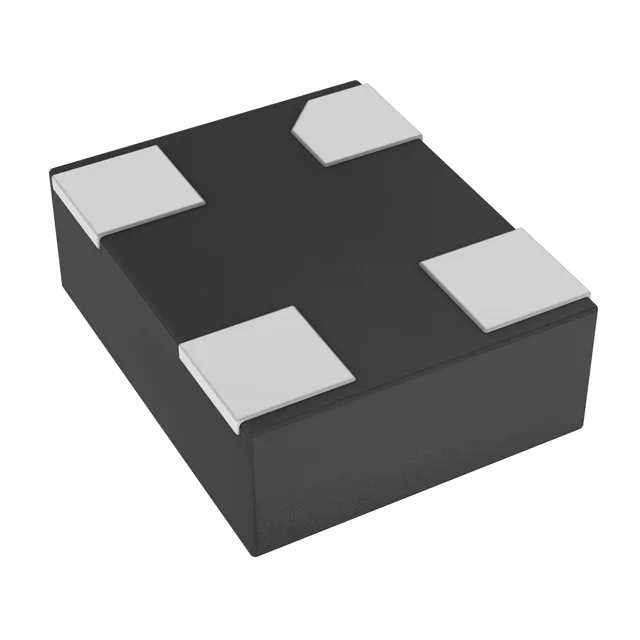
Microchip Technology DSC1003CI2-050.0000 — Crystals & Oscillators

DSC1003CI2-050.0000 50 MHz MEMS XO, AEC-Q100, 4-SMD

MPNDSC1003CI2-050.0000
Active

Microchip DSC1003CI2-050.0000, DSC1003 series, XO (Standard) MEMS oscillator, 50 MHz CMOS output, ±25 ppm stability, 1.7V–3.6V supply, AEC-Q100, 4-SMD No Lead package

$1.3500Ref. price · indicative, final on quote
Sourced new & surplus through independent channelsAuthenticity-screened · ESD-safe packingListing updated Aug 2026

Specifications

DSC1003CI2-050.0000 specifications
ParameterValue
TypeXO (Standard)
SeriesDSC1003
MountingSurface Mount
Voltage1.7V ~ 3.6V
Current - supply7.4mA
Current - supply (Disable)15µA
Frequency50 MHz
Frequency stability±25ppm
Operating temperature-40°C ~ 85°C
Size (Dimension)0.126\" L x 0.098\" W (3.20mm x 2.50mm)
Height - seated0.035\" (0.90mm)
OutputCMOS
PackageTube
RatingsAEC-Q100
FunctionStandby (Power Down)
Base resonatorMEMS
Case4-SMD, No Lead

Product details

50 MHz MEMS XO with automotive-grade qualification

It is suited for body controllers, infotainment head units, and ADAS camera modules where a crystal oscillator's vibration sensitivity or start-up time would be a risk.

Standby power-down for battery-conscious designs

When the STBY pin is pulled low, the oscillator enters a power-down state drawing 15 µA maximum — a fraction of the 7.4 mA active supply current.

4-SMD footprint and supply flexibility

The 3.20 mm x 2.50 mm 4-SMD No Lead package is a standard pinout shared by many MEMS and quartz oscillators — the DSC1003 footprint matches the common 4-pad land pattern, so a board designed for a SG-8002 or SiTime part can often accept this oscillator without a layout change. The 1.7V to 3.6V supply rail covers 1.8V, 2.5V, and 3.3V logic domains without an external regulator.

Frequently asked questions

Is the DSC1003CI2-050.0000 AEC-Q100 qualified?

Yes, it carries AEC-Q100 rating — the automotive-grade qualification covers temperature cycling, ESD, latch-up, and moisture sensitivity.

What does the Standby (Power Down) function do?

Pulling the STBY pin low disables the oscillator output and reduces supply current to 15 µA maximum. The output enters a high-impedance state. This is useful for system sleep modes where the clock tree must be gated without a separate load switch.