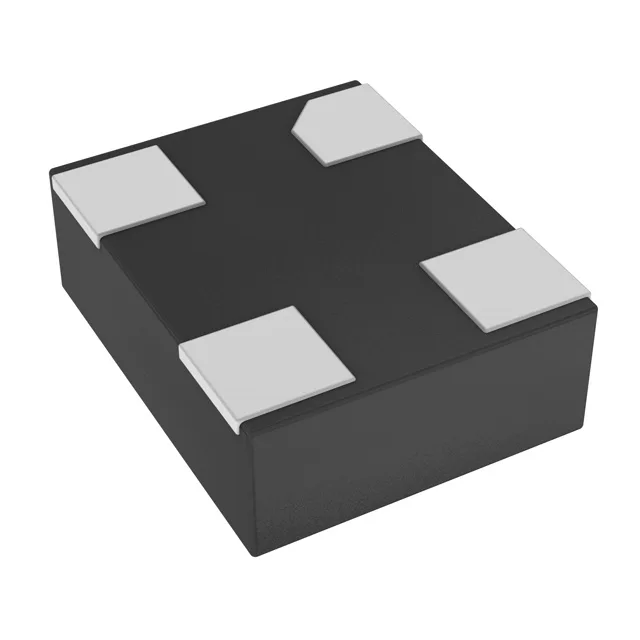
Microchip Technology DSC1001DE1-074.2500T — Crystals & Oscillators

DSC1001DE1-074.2500T MEMS Oscillator 74.25 MHz AEC-Q100

MPNDSC1001DE1-074.2500T
Active

Microchip DSC1001 series, XO (Standard), 74.25 MHz, CMOS output, ±50 ppm stability, AEC-Q100, -20°C to 70°C, 4-SMD no-lead package.

Independent supplier — new & surplus stockAuthenticity-screened · ESD-safe packingListing updated Aug 2026

Specifications

DSC1001DE1-074.2500T specifications
ParameterValue
TypeXO (Standard)
SeriesDSC1001
MountingSurface Mount
Supply voltage1.8V ~ 3.3V
Current - supply8.7mA
Current - supply (Disable)15µA
Frequency74.25 MHz
Frequency stability±50ppm
Operating temperature-20°C~70°C
Size (Dimension)0.098\" L x 0.079\" W (2.50mm x 2.00mm)
Height - seated0.035\" (0.90mm)
OutputCMOS
PackageTape & Reel (TR)
RatingsAEC-Q100
FunctionStandby (Power Down)
Base resonatorMEMS
Case4-SMD, No Lead

Product details

The DSC1001DE1-074.2500T is a MEMS-based XO delivering a 74.25 MHz CMOS clock from a 1.8V to 3.3V supply rail, drawing 8.7 mA max in operation and dropping to 15 µA in standby via the Standby (Power Down) function.

±50 ppm stability and commercial temperature range

Frequency stability is ±50 ppm across the -20°C to 70°C operating range — tight enough for most 74.25 MHz video clocking and automotive serial links, but the commercial temperature window means this variant is not rated for -40°C engine-bay or outdoor telecom use.

Frequently asked questions

Is DSC1001DE1-074.2500T a direct replacement for DSC1001DI1-074.2500?

The DSC1001DE1 and DSC1001DI1 share the same base product number DSC1001 and the same 74.25 MHz frequency, but the DI1 variant has a different operating temperature range. Confirm the temperature grade of your BOM position before substituting — the DE1 is rated -20°C to 70°C, while the DI1 is rated -40°C to 85°C. They are not drop-in equivalents across all environments.

Can DSC1001DE1-074.2500T be used in automotive applications?

Yes — it is AEC-Q100 qualified, which covers the automotive reliability and stress testing requirements.