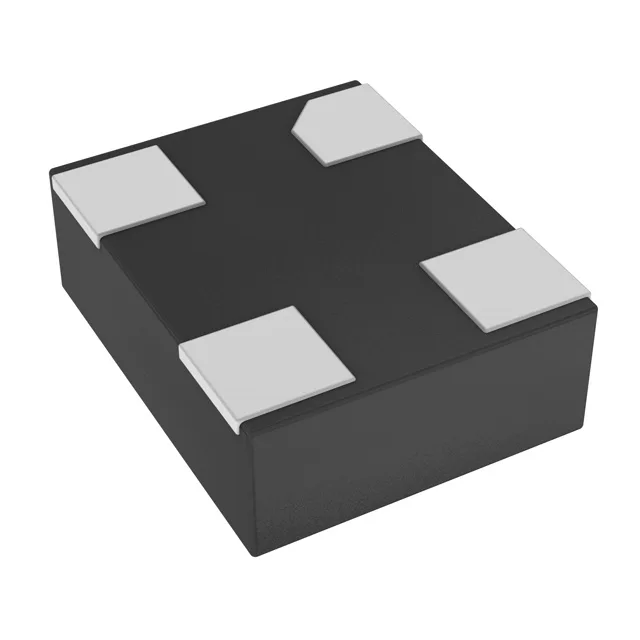
Microchip Technology DSC1001CL2-037.1250 — Crystals & Oscillators

DSC1001CL2-037.1250 MEMS XO 37.125 MHz CMOS AEC-Q100

MPNDSC1001CL2-037.1250
Active

Microchip Technology DSC1001 series, XO (Standard), 37.125 MHz, CMOS output, ±25 ppm stability, 1.8V~3.3V supply, -40°C~105°C, AEC-Q100, 4-SMD no-lead package.

$1.0350Ref. price · indicative, final on quote
Independent supplier — new & surplus stockAuthenticity-screened · ESD-safe packingListing updated Aug 2026

Specifications

DSC1001CL2-037.1250 specifications
ParameterValue
TypeXO (Standard)
SeriesDSC1001
MountingSurface Mount
Supply voltage1.8V ~ 3.3V
Current - supply7.2mA
Current - supply (Disable)15µA
Frequency37.125 MHz
Frequency stability±25ppm
Operating temperature-40°C~105°C
Size (Dimension)0.126\" L x 0.098\" W (3.20mm x 2.50mm)
Height - seated0.035\" (0.90mm)
OutputCMOS
PackageTube
RatingsAEC-Q100
FunctionStandby (Power Down)
Base resonatorMEMS
Case4-SMD, No Lead

Product details

The DSC1001CL2-037.1250: AEC-Q100 qualified, this oscillator is designed for under-hood automotive electronics, engine bay ECUs, and industrial motor drives where temperature swings and vibration are constant.

Operating from 1.8V to 3.3V, this single oscillator covers multiple logic families without a separate level translator — the same BOM line works across a 1.8V FPGA bank and a 3.3V MCU. Active current draw is 7.2 mA max at 37.125 MHz, while the standby (power down) function drops consumption to 15 µA max, letting the system gate the clock during sleep without an external load switch.

Frequently asked questions

Can the DSC1001CL2-037.1250 replace a quartz oscillator?

Yes — the MEMS resonator is a drop-in replacement for a quartz XO in the same 4-SMD no-lead footprint. The ±25 ppm stability matches most quartz oscillators, and the MEMS part offers better shock and vibration tolerance.

Is the DSC1001CL2-037.1250 AEC-Q100 qualified?

Yes, it carries AEC-Q100 ratings, which qualifies it for automotive-grade applications including under-hood and cabin electronics where -40°C to 105°C ambient operation is required.