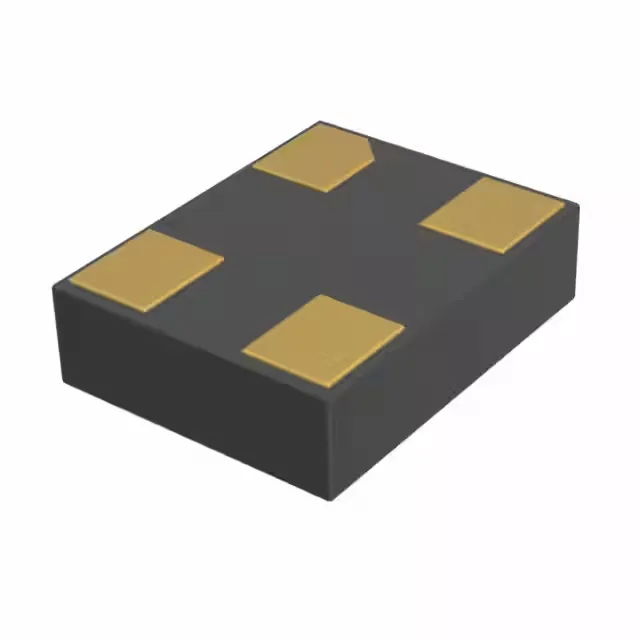
Microchip Technology DSC1001CI5-075.0000T — Crystals & Oscillators

DSC1001CI5-075.0000T MEMS Oscillator 75 MHz CMOS AEC-Q100

MPNDSC1001CI5-075.0000T
Active

Microchip DSC1001CI5-075.0000T, XO (Standard) MEMS oscillator, 75 MHz CMOS output, ±10 ppm stability, AEC-Q100, -40°C to 85°C, 4-VDFN package.

Independent supplier — new & surplus stockAuthenticity-screened · ESD-safe packingListing updated Aug 2026

Specifications

DSC1001CI5-075.0000T specifications
ParameterValue
TypeXO (Standard)
SeriesDSC1001
MountingSurface Mount
Supply voltage1.7V ~ 3.6V
Current - supply16.6mA
Current - supply (Disable)15µA
Frequency75 MHz
Frequency stability±10ppm
Operating temperature-40°C~85°C
Size (Dimension)0.126\" L x 0.098\" W (3.20mm x 2.50mm)
Height - seated0.035\" (0.90mm)
OutputCMOS
PackageTape & Reel (TR)
RatingsAEC-Q100
FunctionStandby (Power Down)
Base resonatorMEMS
Case4-VDFN

Product details

Key electrical specs for BOM fit

Supply voltage spans 1.7V to 3.6V, covering 1.8V, 2.5V, and 3.3V logic rails without an external regulator. Maximum supply current is 16.6 mA — the 75 MHz CMOS output drives standard digital loads directly. The MEMS resonator handles 50 g shock and 20 g vibration better than a quartz can; if the board sees a drop test or a machine-tool spindle, this oscillator keeps running.

Frequently asked questions

Can DSC1001CI5-075.0000T replace a 75 MHz crystal oscillator?

Yes, if the circuit expects a CMOS-level clock input. A quartz crystal requires an external oscillator circuit (inverter, load caps); this MEMS XO outputs a full-swing CMOS signal directly, so it replaces both the crystal and the oscillator stage on the board. Pin-compatible with many standard 4-pin oscillators in the same 3.2 x 2.5 mm footprint — confirm the enable/disable logic matches your design.

Is DSC1001CI5-075.0000T AEC-Q100 qualified?

Yes, it carries AEC-Q100 rating, which means it passed automotive-grade stress tests (temperature cycling, ESD, latch-up) and is PPAP-ready for production vehicle programs.

What is the difference between MEMS and quartz oscillators?

MEMS oscillators (like this DSC1001) use a silicon micro-electromechanical resonator instead of a quartz crystal. They typically offer better shock and vibration tolerance, faster start-up, and smaller package options. The trade-off: quartz can achieve tighter initial accuracy and lower phase noise at very high frequencies, but for a 75 MHz CMOS clock at ±10 ppm, the MEMS part is a drop-in replacement that survives harsher environments.