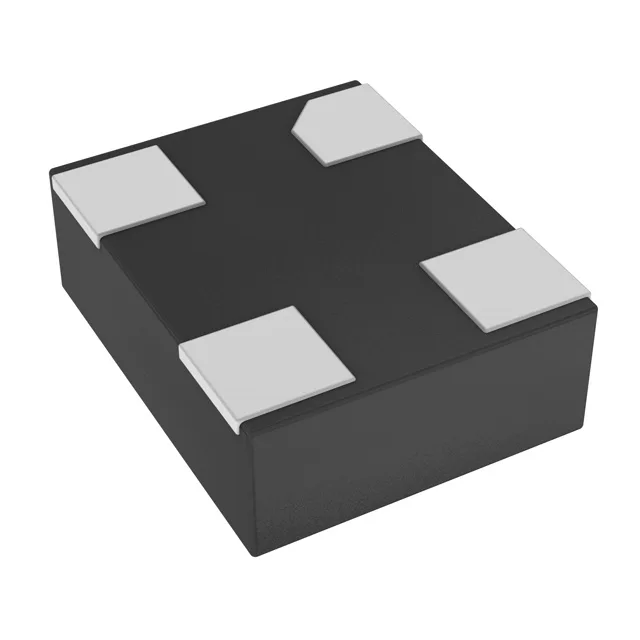
Microchip Technology DSC1001CI2-065.5500T — Crystals & Oscillators

DSC1001CI2-065.5500T MEMS XO 65.55 MHz AEC-Q100 CMOS

MPNDSC1001CI2-065.5500T
Active

Microchip DSC1001CI2-065.5500T, XO (Standard) MEMS oscillator, 65.55 MHz CMOS output, AEC-Q100 qualified, 1.8V~3.3V supply, -40°C~85°C, 4-SMD no-lead package.

Independent supplier — new & surplus stockAuthenticity-screened · ESD-safe packingListing updated Aug 2026

Specifications

DSC1001CI2-065.5500T specifications
ParameterValue
TypeXO (Standard)
SeriesDSC1001
MountingSurface Mount
Supply voltage1.8V ~ 3.3V
Current - supply7.2mA
Current - supply (Disable)15µA
Frequency65.55 MHz
Frequency stability±25ppm
Operating temperature-40°C~85°C
Size (Dimension)0.126\" L x 0.098\" W (3.20mm x 2.50mm)
Height - seated0.035\" (0.90mm)
OutputCMOS
PackageTape & Reel (TR)
RatingsAEC-Q100
FunctionStandby (Power Down)
Base resonatorMEMS
Case4-SMD, No Lead

Product details

MEMS oscillator at 65.55 MHz with CMOS output

The MEMS resonator eliminates the quartz-crystal startup issues and vibration sensitivity common in high-reliability designs. Runs from a 1.8V to 3.3V supply rail, so it can drop into a 2.5V or 3.3V clock tree without a separate regulator.

Housed in a 4-SMD no-lead package measuring 3.20mm x 2.50mm with a seated height of 0.90mm — a standard 3.2x2.5mm oscillator footprint that matches many quartz XO land patterns. Surface-mount on tape and reel, ready for automated pick-and-place. The 0.90mm height keeps it below low-profile enclosure lids.

Frequently asked questions

Can DSC1001CI2-065.5500T replace a quartz oscillator of the same frequency?

The MEMS-based design is pin-compatible with standard 3.2x2.5mm quartz XO footprints and outputs CMOS levels, so it can be a drop-in replacement for a quartz oscillator at 65.55 MHz. However, confirm the supply voltage range (1.8V~3.3V) and frequency stability (±25ppm) match your existing quartz spec.

What does the standby (power down) function do?

When the standby pin is asserted, the oscillator stops its output and reduces supply current to 15 µA max, allowing the system to power down the clock tree while keeping the oscillator biased for fast wake-up.