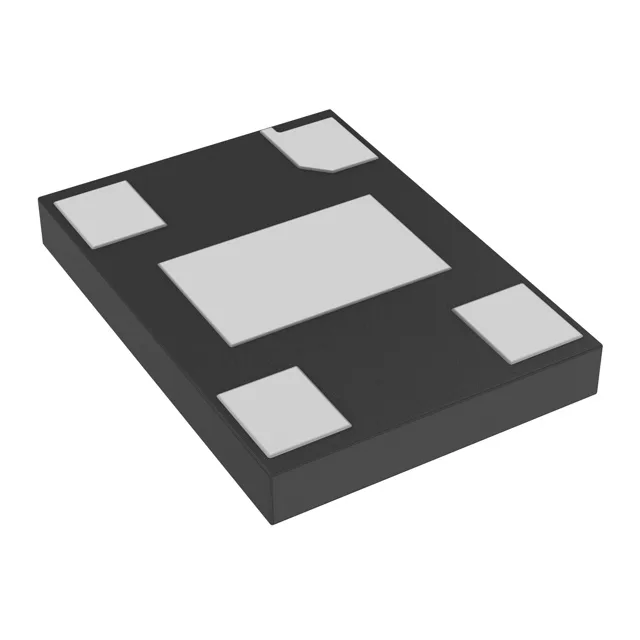
Microchip Technology DSC1001AI2-083.3330T — Crystals & Oscillators

DSC1001AI2-083.3330T Microchip MEMS Oscillator 83.333 MHz

MPNDSC1001AI2-083.3330T
Active

Microchip Technology DSC1001 series, XO (Standard) MEMS oscillator, 83.333 MHz CMOS output, ±25 ppm stability, AEC-Q100 qualified, -40°C to 85°C, 1.8V to 3.3V supply, 4-SMD package.

Sourced new & surplus through independent channelsAuthenticity-screened · ESD-safe packingListing updated Aug 2026

Specifications

DSC1001AI2-083.3330T specifications
ParameterValue
TypeXO (Standard)
SeriesDSC1001
MountingSurface Mount
Voltage1.8V ~ 3.3V
Current - supply8.7mA
Current - supply (Disable)15µA
Frequency83.333 MHz
Frequency stability±25ppm
Operating temperature-40°C~85°C
Size (Dimension)0.276\" L x 0.197\" W (7.00mm x 5.00mm)
Height - seated0.035\" (0.90mm)
OutputCMOS
PackageTape & Reel (TR)
RatingsAEC-Q100
FunctionStandby (Power Down)
Base resonatorMEMS
Case4-SMD, No Lead Exposed Pad

Product details

The supply voltage range of 1.8V to 3.3V lets it drop into existing 1.8V or 3.3V clock trees without an extra regulator, and the Standby (Power Down) function pulls the disable current to 15 µA max — a useful feature for battery-backed or ignition-switched modules.

Package, footprint, and sourcing posture

Housed in a 4-SMD, No Lead Exposed Pad package measuring 7.00mm x 5.00mm with a seated height of 0.90mm, the DSC1001AI2-083.3330T uses a standard 4-pin land pattern common to many MEMS oscillators — no via-in-pad required, and reflow profiles follow standard lead-free solder processes.

Frequently asked questions

Does the DSC1001AI2-083.3330T meet AEC-Q100 automotive requirements?

Yes, it is rated AEC-Q100, which qualifies it for automotive-grade reliability testing including temperature cycling, ESD, and extended life stress.

What is the frequency stability of the DSC1001AI2-083.3330T?

Frequency stability is ±25 ppm over the full operating temperature range and supply voltage variation. This is typical for industrial and automotive clock applications such as CAN, Ethernet, or sensor interfaces where timing margin matters.