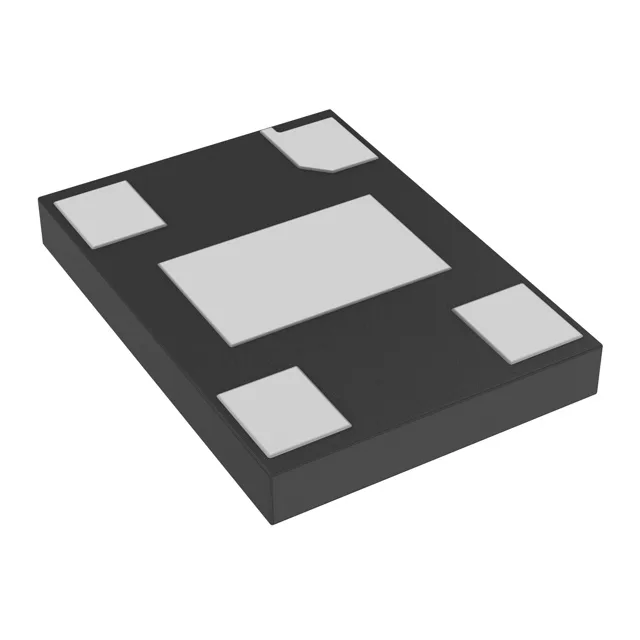
Microchip Technology DSC1001AE1-125.0000T — Crystals & Oscillators

DSC1001AE1-125.0000T – 125 MHz MEMS XO, CMOS, AEC-Q100

MPNDSC1001AE1-125.0000T
Active

Microchip Technology DSC1001 series, XO (Standard), 125 MHz, CMOS output, MEMS resonator, ±50 ppm stability, 1.8 V – 3.3 V supply, AEC-Q100 rated, 4-SMD package.

Sourced new & surplus through independent channelsAuthenticity-screened · ESD-safe packingListing updated Aug 2026

Specifications

DSC1001AE1-125.0000T specifications
ParameterValue
TypeXO (Standard)
SeriesDSC1001
MountingSurface Mount
Voltage1.8V ~ 3.3V
Current - supply8.7mA
Current - supply (Disable)15µA
Frequency125 MHz
Frequency stability±50ppm
Operating temperature-20°C~70°C
Size (Dimension)0.276\" L x 0.197\" W (7.00mm x 5.00mm)
Height - seated0.035\" (0.90mm)
OutputCMOS
PackageTape & Reel (TR)
RatingsAEC-Q100
FunctionStandby (Power Down)
Base resonatorMEMS
Case4-SMD, No Lead Exposed Pad

Product details

The DSC1001AE1-125.0000T: AEC-Q100 qualification means this oscillator is characterized for automotive-grade reliability — suitable for infotainment, ADAS sensor clocks, and body-control modules where a quartz crystal's vibration sensitivity or startup time is a concern.

Operating from 1.8 V to 3.3 V, the oscillator adapts to 1.8 V core rails or 3.3 V I/O banks — no separate voltage translator needed for the clock trace. Maximum supply current is 8.7 mA at 125 MHz, and the standby (power-down) function drops consumption to 15 µA, letting the system gate the clock during sleep modes without an external load switch.

The package measures 7.00 mm x 5.00 mm with a seated height of 0.90 mm, fitting standard 7x5 mm oscillator footprints, and is supplied on Tape & Reel.

Frequently asked questions

What is the frequency stability of this oscillator?

The DSC1001AE1-125.0000T specifies ±50 ppm frequency stability. This is the total deviation over the -20°C to +70°C temperature range, including initial tolerance, temperature drift, and aging — sufficient for most automotive digital clocking applications that do not require tight ppm for wireless protocols.