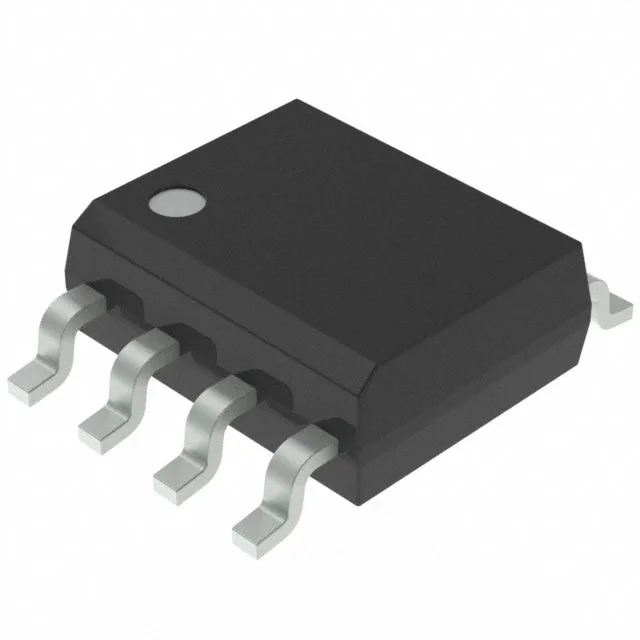
Microchip Technology AT25020B-SSHL-B — Memory (DRAM / SRAM / Flash / EEPROM)

Microchip AT25020B-SSHL-B SPI EEPROM, 2Kbit, 20 MHz, 8-SOIC

MPNAT25020B-SSHL-B
Active

Microchip AT25020B-SSHL-B, 2Kbit SPI EEPROM, 20 MHz clock, 1.8V-5.5V supply, 256 x 8 organization, 5ms page write, -40°C to 85°C, 8-SOIC, Tube.

$0.3300Ref. price · indicative, final on quote
Packaging8-SOIC (0.154", 3.90mm Width)
RoHSROHS3 Compliant
Independent supplier — new & surplus stockAuthenticity-screened · ESD-safe packingListing updated Aug 2026

Specifications

AT25020B-SSHL-B specifications
ParameterValue
Memory typeNon-Volatile
MountingSurface Mount
Voltage1.8V ~ 5.5V
Frequency20 MHz
Memory interfaceSPI
Operating temperature-40°C~85°C(TA)
PackageTube
TechnologyEEPROM
Memory size2Kbit
Memory formatEEPROM
Case8-SOIC (0.154\", 3.90mm Width)
Memory organization256 x 8
Write cycle time - word, page5ms

Product details

2Kbit SPI EEPROM for configuration and parameter storage

The Microchip AT25020B-SSHL-B is a 2Kbit serial EEPROM with an SPI interface, organized as 256 x 8 bits. The 20 MHz SPI clock rate supports fast read and write access for boot parameters, calibration constants, or device configuration data.

The wide 1.8V to 5.5V supply range means the same BOM line works across a 3.3V MCU rail and a 5V legacy bus without a regulator change.

Write cycle timing and endurance context

For applications that write calibration data at power-up or log occasional events, the write time is not a bottleneck. If the design writes frequently during operation, budget the 5ms delay per page and consider sector wear leveling in firmware.

Housed in an 8-SOIC (0.154", 3.90mm width) package, surface-mount, supplied in Tube. The footprint is standard for 8-pin SOIC and shares the same land pattern as the AT25020B-SSHL-T tape-and-reel variant, so a single PCB layout covers both ordering options.

Microchip lists the AT25020B-SSHL-B as Active.

Frequently asked questions

Is AT25020B-SSHL-B compatible with 3.3V systems?

Yes. The supply range is 1.8V to 5.5V, so it operates directly on a 3.3V rail without a level shifter. The SPI logic levels track VCC, so a 3.3V MCU can drive it directly.