C106MG
Littelfuse Inc.
SCR 600V 4A TO225AA
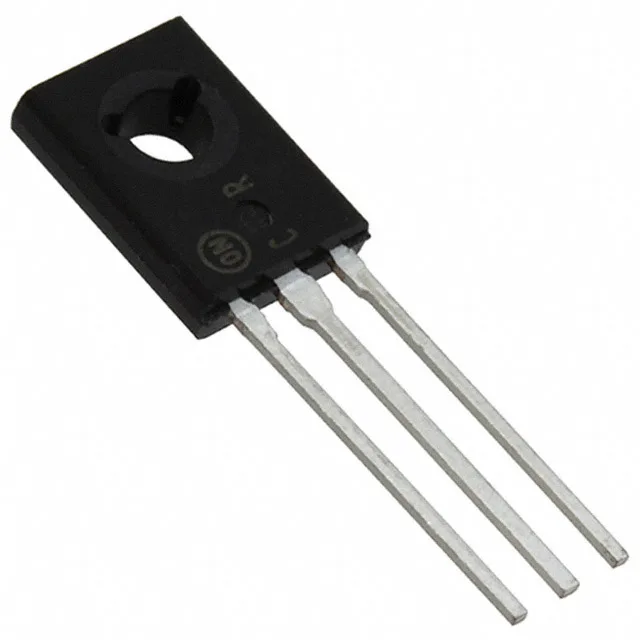
MOQ 1 · Bulk · RoHS · EIA-481 · DAP/DDP · T/T
Technical specifications
| Parameter / Attribute | Specification / Value |
|---|---|
| SCR type | Sensitive Gate |
| Mounting | Through Hole |
| Voltage - off state | 600 V |
| Voltage - on state (Vtm) | 2.2 V |
| Voltage - gate trigger (Vgt) | 800 mV |
| Current - hold (Ih) | 3 mA |
| Current - off state | 10 µA |
| Current - gate trigger (Igt) | 200 µA |
| Current - on state (It (AV)) | 2.55 A |
| Current - on state (It (RMS)) | 4 A |
| Current - non rep. surge 50, 60Hz | 20A @ 60Hz |
| Operating temperature | -40°C~110°C |
| Package | Bulk |
| Case | TO-225AA, TO-126-3 |
Need Stock or a Drop-in Second-Source for C106MG?
Package: TO-202AA · Pin-compatible replacements with immediate Shenzhen spot stock
The 2P4M is the little SCR of appliance and small-charger circuits: touch lamps, fan controllers, dimmers, battery chargers and protection latching. The original NEC part is obsolete at the source, and the market is now full of second-source 2P4M markings from numerous fabs - which is generally fine for voltage and current, but the parameter these circuits live on is gate sensitivity: the 2P4M triggers in the microamp range, and a generic "2A/400V thyristor" with a heavier gate simply will not fire in a touch circuit or dimmer designed around it.
Verified Pin-Compatible Replacements (3 verified alternatives)
Same Family, One Voltage Grade Up
Shenzhen Spot Stock (24-48h Dispatch)
The 600V member of the same sensitive-gate SCR family: 2A IT(RMS) with the same microamp-class gate trigger, rated further up the voltage ladder.
VDRM/VRRM 600V versus 400V; ITSM 20A class; same TO-202AA body.
The Classic Sensitive-Gate Family
Shenzhen Spot Stock (24-48h Dispatch)
The long-established sensitive-gate SCR family (C106D = 400V, C106M = 600V): low gate current required, used in the same dimmer, lamp and charger circuits.
600V class in the M grade; RMS current in the same 2-4A envelope - verify the specific datasheet grade.
Successor-Line Renesas Part
Shenzhen Spot Stock (24-48h Dispatch)
The Renesas successor-line thyristor for the 2A / 400V class: same functions as the NEC original line, documented by the source manufacturer.
400V class; 2A IT(RMS); check the exact variant suffix for package and gate class.
Buyer & Quality Checklist for Sourcing Alternatives
- Gate sensitivity is the deciding parameter: the 2P4M is a sensitive-gate (microamp-class IGT) SCR. Touch switches, dimmers and latching protection circuits will not trigger on a heavier-gate substitute - compare IGT on both datasheets before ordering.
- The NEC original is obsolete; the market is full of second-source 2P4M markings. That is acceptable when the second source keeps the sensitive-gate specification, which is why lot specification sheets matter more here than for a generic rectifier.
- The TO-202 body has a live tab (anode in most SCR builds). Insulate against grounded heatsinks and confirm the lead arrangement from the specific manufacturer drawing - SCR lead orders vary more than transistor lead orders.
- The 2P4M is 400V; small chargers and mains-derived circuits on noisy networks sometimes spec higher. The 2P6M (600V) covers those positions in the same family.
- When a 2P4M fails short in a charger, the cause is usually upstream (surge, tired capacitor, or a failed gate network). Replacing the SCR alone is the classic repair loop.
Frequently Asked Technical Questions
Q: What is the difference between 2P4M and 2P6M?
A: Voltage grade: 2P4M is the 400V part and 2P6M the 600V member of the same sensitive-gate SCR family, same 2A class and same TO-202 body. Moving up is safe; gate sensitivity stays in the same class.
Q: Can I use a generic 2A 400V SCR instead of a 2P4M?
A: Only if its gate trigger current is in the same sensitive class. Generic SCRs with heavier gates will not fire in touch-lamp, dimmer and latching circuits built around the 2P4M. Compare IGT, not just voltage and current.
Q: Why is the original 2P4M obsolete?
A: It is a legacy NEC line part; the source fab retired it and the market continued through second-source manufacturers. Availability remains good in Shenzhen spot - the practical risk is the gate specification drifting, not the voltage.