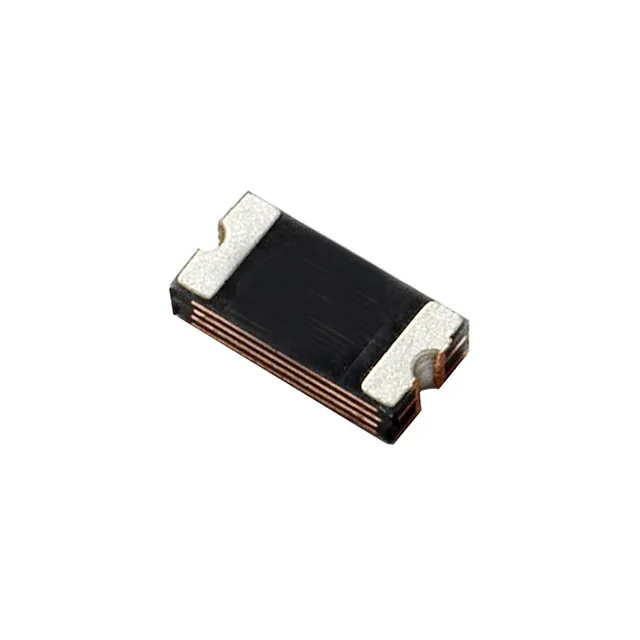
Littelfuse Inc. 1206L005/30WR — Circuit Protection

Littelfuse 1206L005/30WR PTC Resettable Fuse, 50 mA Hold

MPN1206L005/30WR
Active

Littelfuse Inc. POLY-FUSE®, 1206L series, Polymeric PTC Resettable Fuse, 1206L005/30WR, 50 mA hold, 60 VDC, 1206 SMD, AEC-Q200.

$0.5700Ref. price · indicative, final on quote
Sourced new & surplus through independent channelsAuthenticity-screened · ESD-safe packingListing updated Aug 2026

Specifications

1206L005/30WR specifications
ParameterValue
TypePolymeric
SeriesPOLY-FUSE®, 1206L
MountingSurface Mount
Voltage - max60V
Current - max10 A
Current - trip150 mA
Current - hold (Ih)50 mA
Operating temperature-40°C ~ 85°C
Size (Dimension)0.126\" L x 0.065\" W (3.20mm x 1.65mm)
Approval agencycURus, TUV
PackageTape & Reel (TR) Cut Tape (CT)
RatingsAEC-Q200
Time to trip1.5 s
Case1206 (3216 Metric), Concave
Resistance - initial (Ri)3.6 Ohms
Resistance - post trip (R1)20 Ohms

Product details

Hold current, voltage, and the trip decision

The 1206L005/30WR is a Littelfuse POLY-FUSE polymeric PTC resettable fuse in the 1206L series. Its 50 mA hold current (Ih) at 60 VDC max defines the steady-state operating envelope — below that current the device stays low-resistance; above it, the polymer heats and the resistance jumps, protecting the downstream circuit. Trip time is 1.5 seconds at fault current, with a post-trip resistance ceiling of 20 Ohms. The AEC-Q200 qualification confirms it has passed the stress tests for automotive-grade passive components — thermal shock, vibration, and bias humidity.

Surface-mount reflow assembly; the concave body allows visual inspection of the solder fillet on the terminations.

Approvals and compliance

Safety-agency approvals include cURus and TUV, covering North American and European equipment certification requirements. The AEC-Q200 rating means it is qualified for automotive electronics supply chains.

Frequently asked questions

What does the 50 mA hold current mean for my circuit?

The 50 mA hold current (Ih) is the maximum steady-state current the PTC can carry without tripping at 25°C ambient. Above that threshold, the device will heat up and switch to a high-resistance state within 1.5 seconds, limiting fault current to protect downstream components.