What the 1500W pulse rating means for your protection design
The 1.5KE510CA-B: That 1500W figure is the maximum power the device can absorb in a single surge event — it is not a continuous rating. For a given clamping voltage of 698V, the peak pulse current works out to 2.1A under the same waveform conditions. This protection window — 434V standoff, 485V breakdown, 698V clamp — defines where the diode stays off, where it starts shunting, and where it holds the line during a transient.
Where this TVS fits in a circuit
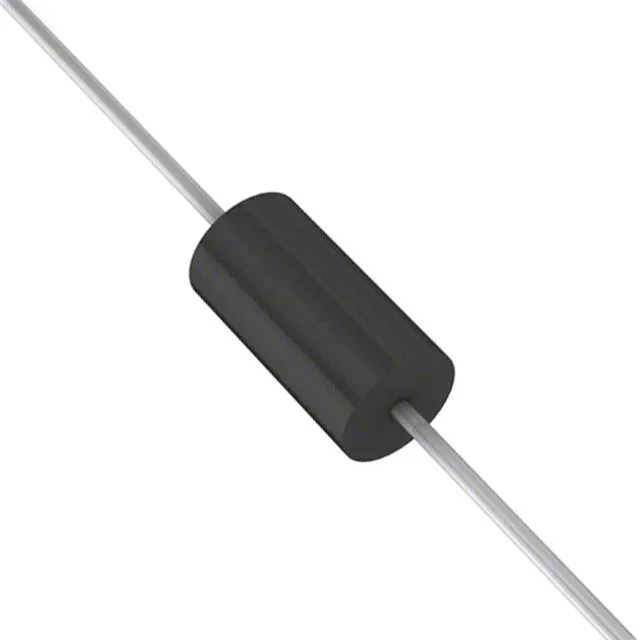
The 1.5KE510CA-B carries a 'No' for power line protection, which means it is intended for signal or DC bus protection, not for direct mains or AC power line clamping. The bidirectional configuration protects against both positive and negative transients with a single device — useful on AC-coupled data lines or bipolar supply rails where the polarity of the surge is unknown. The DO-201AA axial package is through-hole, so it suits designs where the board sees rework or field replacement; the leads are easily inspected and the joint can be touched up without hot-air risk to adjacent components.
Temperature range and storage considerations
The wide span means the diode's leakage and clamping characteristics are stable across the typical application temperature band. The bulk packaging is standard for through-hole axial parts — no moisture sensitivity level to track, no dry-bake required before assembly. Store the reels or tubes in a normal ESD-safe environment; the axial leads are robust and do not require the humidity-controlled storage that surface-mount reels demand.