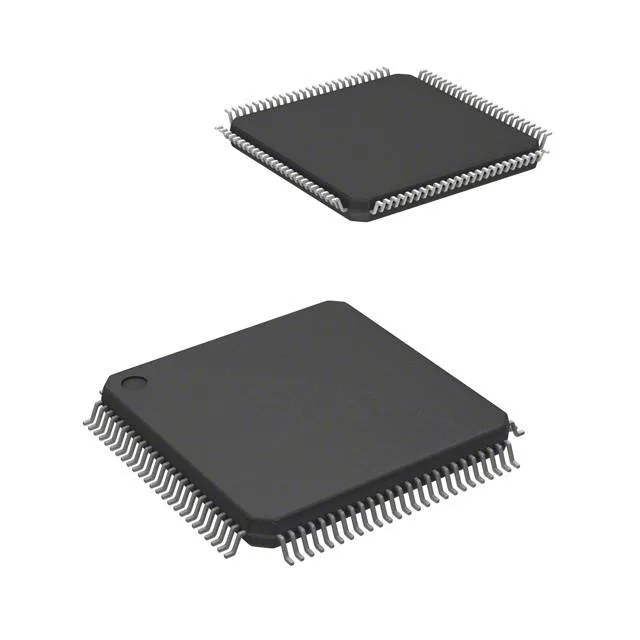
Lattice Semiconductor Corporation LCMXO2-2000ZE-1TG100C — FPGA / CPLD & Programmable Logic

Lattice LCMXO2-2000ZE-1TG100C FPGA, 2112 LEs, 79 I/O

MPNLCMXO2-2000ZE-1TG100C
Active

Lattice Semiconductor Corporation MachXO2 FPGA, LCMXO2-2000ZE-1TG100C, 2112 logic elements, 79 I/O, 75776 RAM bits, 1.14V-1.26V core, 100-TQFP (14x14), Tray.

$15.9000Ref. price · indicative, final on quote
Packaging100-LQFP
RoHSROHS3 Compliant
SeriesMachXO2
Independent supplier — new & surplus stockAuthenticity-screened · ESD-safe packingListing updated Aug 2026

Specifications

LCMXO2-2000ZE-1TG100C specifications
ParameterValue
SeriesMachXO2
MountingSurface Mount
Supply voltage1.14V ~ 1.26V
Operating temperature0°C ~ 85°C (TJ)
PackageTray
Number of i (O)79
Case100-LQFP
Total RAM bits75776
Number of LABs (CLBs)264
Number of logic elements (Cells)2112

Product details

Logic density and I/O count — sizing the fit

The LCMXO2-2000ZE-1TG100C: 2112 logic elements (264 LABs/CLBs) place this MachXO2 at the smaller end of the family — suited for glue-logic consolidation, small state machines, or bridging between two voltage domains rather than a full system-on-chip replacement. 79 user I/O in a 100-TQFP package means 21 pins are dedicated to power, ground, and configuration — the usable I/O count is the board-level interconnect budget. On-chip RAM totals 75776 bits, distributed as sysMEM EBR blocks — enough for a small FIFO buffer or a coefficient look-up table, but not for frame buffers or large data caches.

Core voltage is 1.14 V to 1.26 V — a tight 120 mV window that demands a regulated 1.2 V rail with ±5 % tolerance. Operating temperature range is 0 °C to 85 °C (junction) — commercial grade. This part is not rated for industrial or automotive ambient; a design that sees -20 °C or 105 °C ambient needs the HC or HE variant with the 'I' suffix.

Frequently asked questions

Will LCMXO2-2000ZE-1TG100C drop into a board designed for LCMXO2-2000HC-5TG100C?

The two parts share the same 100-TQFP footprint, 79 I/O, and 2112 logic elements. The key difference is the core supply: the ZE variant runs on 1.14-1.26 V, while the HC variant needs 2.375 V. If the board already has a 1.2 V rail, the ZE drops in without a PCB change; if the board only has a 2.5 V rail, the HC is the correct fit.