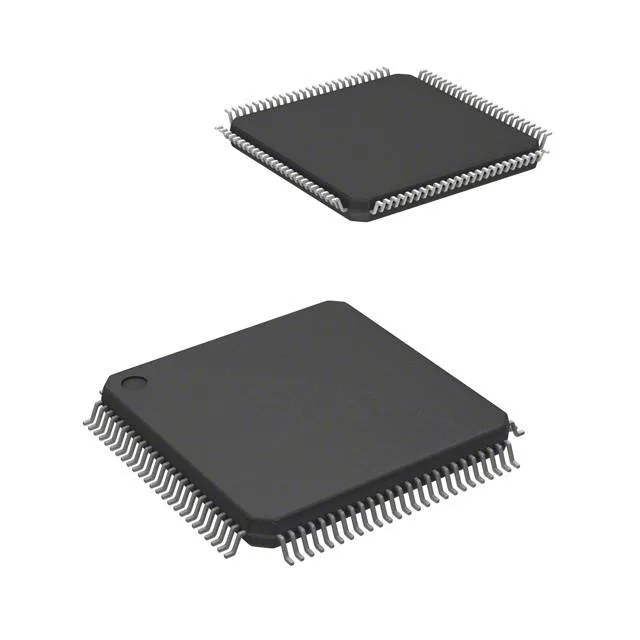
Lattice Semiconductor Corporation LCMXO2-2000HC-5TG100I — FPGA / CPLD & Programmable Logic

Lattice LCMXO2-2000HC-5TG100I FPGA, 2112 LUTs, 79 I/O

MPNLCMXO2-2000HC-5TG100I
Active

Lattice Semiconductor Corporation MachXO2 FPGA, LCMXO2-2000HC-5TG100I, 2112 logic cells, 79 I/O, 75776 bits RAM, 100-TQFP (14x14), -40°C to 100°C, Tray.

$18.2500Ref. price · indicative, final on quote
Packaging100-LQFP
RoHSROHS3 Compliant
SeriesMachXO2
Independent supplier — new & surplus stockAuthenticity-screened · ESD-safe packingListing updated Aug 2026

Specifications

LCMXO2-2000HC-5TG100I specifications
ParameterValue
SeriesMachXO2
MountingSurface Mount
Supply voltage2.375V ~ 3.465V
Operating temperature-40°C ~ 100°C (TJ)
PackageTray
Number of i (O)79
Case100-LQFP
Total RAM bits75776
Number of LABs (CLBs)264
Number of logic elements (Cells)2112

Product details

2112 logic cells in a 100-TQFP — the MachXO2 sweet spot

The LCMXO2-2000HC-5TG100I is a Lattice MachXO2 FPGA with 2112 logic cells and 79 user I/O in a 100-TQFP (14x14 mm) package. It carries 75776 bits of embedded block RAM and operates from a 2.375V to 3.465V supply rail. The -5 speed grade sits between the -4 (slower) and -6 (faster) siblings in the same package and I/O count — the speed bin is the only parametric difference between them, so a board laid out for one accepts all three without a respin.

I/O count and package — what fits in 100 pins

79 I/O in a 100-TQFP means 21 pins are dedicated to power, ground, configuration, and dedicated functions. The 0.5 mm pitch TQFP demands a 4-layer PCB for clean fan-out on all 79 signals — a 2-layer board will struggle to route the inner rows without vias.

Active production and compliance

ROHS3 compliant per Lattice's own declaration.

Frequently asked questions

Will the LCMXO2-2000HC-5TG100I drop into a board designed for the LCMXO2-2000HC-4TG100I?

Yes — the -4, -5, and -6 speed grades share the same package (100-TQFP), pinout, I/O count (79), and logic density (2112 cells). The only difference is the maximum operating frequency. A board laid out for the -4 accepts the -5 without any PCB or BOM change.

What is the difference between the LCMXO2-2000HC-5TG100I and the LCMXO2-2000HC-5TG100C?

All other parametrics — logic cells, RAM, I/O, package — are identical.