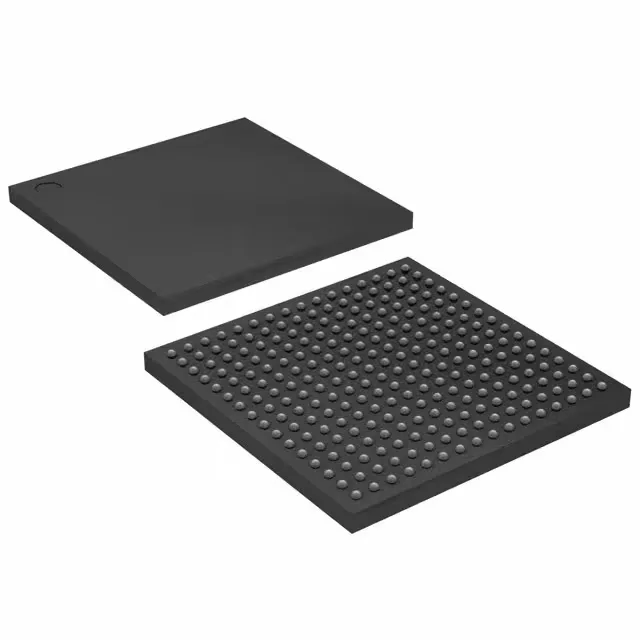
Intel EPM570F256C5N — FPGA / CPLD & Programmable Logic

Intel MAX II EPM570F256C5N CPLD, 440 Macrocells, 5.4 ns

MPNEPM570F256C5N
Active

Intel MAX® II series CPLD, EPM570F256C5N, 570 logic elements, 440 macrocells, 160 user I/O, 5.4 ns tpd(1) max, 2.5V/3.3V internal supply, 256-FBGA (17x17 mm), 0°C to 85°C junction temperature, in-system programmable.

$11.6550Ref. price · indicative, final on quote
Independent supplier — new & surplus stockAuthenticity-screened · ESD-safe packingListing updated Aug 2026

Specifications

EPM570F256C5N specifications
ParameterValue
SeriesMAX® II
MountingSurface Mount
Programmable typeIn System Programmable
Voltage supply - internal2.5V, 3.3V
Operating temperature0°C~85°C(TJ)
PackageTray
Number of i (O)160
Case256-BGA
Number of macrocells440
Delay time tpd(1) max5.4 ns
Number of logic elements (Blocks)570

Product details

MAX II CPLD, 440 macrocells, 160 I/O

The Intel EPM570F256C5N is a MAX® II family CPLD with 570 logic elements and 440 macrocells in a 256-ball FBGA package. The internal supply accepts either 2.5 V or 3.3 V, and the device operates over a 0°C to 85°C junction temperature range. Typical applications include bus bridging, I/O expansion, and control logic consolidation in telecom infrastructure, industrial controllers, and networking equipment where a medium-density instant-on CPLD is required.

In-system programming and JTAG chain

Programming is done via the standard JTAG interface using an Intel USB-Blaster or compatible download cable. The device powers up in an instant-on state.

Frequently asked questions

What is the replacement for EPM570F256C5N?

No official replacement part number has been designated. The MAX II family remains active; if a future EOL notice appears, Intel typically publishes a migration guide. For now, the EPM570F256C5N is the current production part for this density and package.

How to program EPM570F256C5N?

Use a standard JTAG interface with an Intel USB-Blaster or compatible cable. The device is in-system programmable, so no socket programmer is needed — connect TCK, TMS, TDI, TDO, and VCC/GND to the download cable.