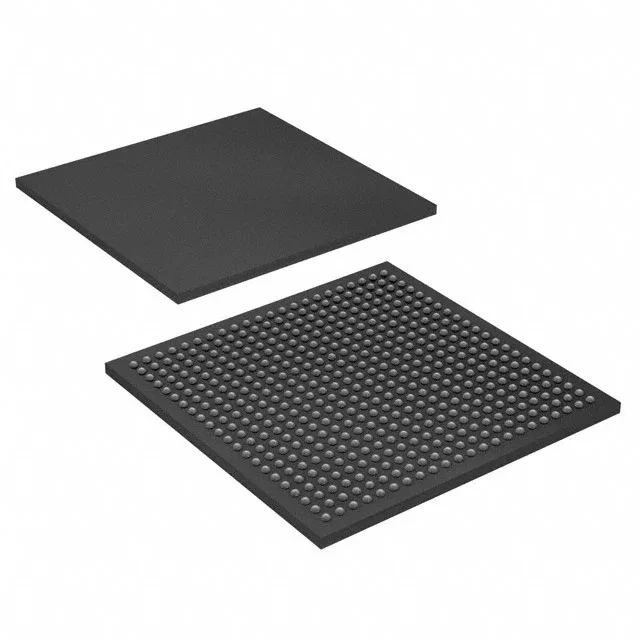
Intel EP4CE75F29C6 — FPGA / CPLD & Programmable Logic

Intel EP4CE75F29C6 Cyclone IV E FPGA, 75408 LEs, 426 I/O

MPNEP4CE75F29C6
Active

Intel Cyclone® IV E FPGA, EP4CE75F29C6, 75408 logic elements, 2810880 RAM bits, 426 I/O, 780-FBGA (29x29), 1.15V–1.25V supply, 0°C–85°C operating temperature.

$69.0000Ref. price · indicative, final on quote
StockContact for availability
MOQ1 pcs
  • 100% new & originalTraceable channels only — no refurbs, no pulls, no remarked parts.
  • Date & lot codes on quoteStated per line before you commit; label photos on request.
  • MSL-compliant ESD packingMoisture-sealed bags with indicator cards; reels photo-verified.
  • PayPal buyer protectionPay by T/T, PayPal or Payoneer — card payments covered end to end.

Specifications

EP4CE75F29C6 Technical Specifications
ParameterValue
SeriesCyclone® IV E
Mounting typeSurface Mount
Voltage1.15V ~ 1.25V
Operating temperature0°C~85°C(TJ)
PackageTray
Number of i (O)426
Case780-BGA
Total RAM bits2810880
Number of LABs (CLBs)4713
Number of logic elements (Cells)75408

Product details

What the logic density and I/O count mean for the BOM

The EP4CE75F29C6: 75408 logic elements is the hard ceiling for your design — if synthesis maps to 80k, you step up to a larger die. The 426 I/O in a 780-ball BGA means the PCB fanout is manageable with a 4-layer board if you keep the routing disciplined; you are not forced into an HDI stackup. 2810880 RAM bits cover moderate line buffers and FIFOs; if your application needs a full frame buffer at 1080p, you will need external SDRAM. Compared to the EP4CE40F29C8 (39600 LEs, 1161216 RAM bits), this part doubles the logic and more than doubles the block RAM — a genuine step up, not a marginal bump.

Active lifecycle — no LTB clock ticking

The EP4CE75F29C6 carries an Active lifecycle status. That means Intel is still manufacturing it, no last-time-buy notice in effect, and you can qualify it into a new design without planning an early migration. For production buyers: this part is sourced through independent distribution and quoted to order against an RFQ.

Frequently asked questions

What is the difference between EP4CE75F29C6 and EP4CE75F29C7?

The difference is the speed grade. The C6 suffix indicates the standard speed grade; the C7 suffix is a slower speed grade. All other specifications — logic elements, RAM bits, I/O count, package — are identical.

Is EP4CE75F29C6 compatible with Cyclone III FPGAs?

No, the EP4CE75F29C6 is a Cyclone IV E device. Cyclone III FPGAs use a different architecture and are not pin-compatible. A redesign would be required to migrate between families.

What is the equivalent or replacement for EP4CE75F29C6?

Within the Cyclone IV E family, the EP4CE75F29C6 has no direct pin-compatible replacement at a different density. For a higher-density alternative in the same package, consider the Cyclone 10 LP 10CL080YF780C8G (81264 LEs, same 423 I/O, same 2810880 RAM bits) — but verify the supply voltage and configuration scheme, as Cyclone 10 LP uses a 1.2V core.