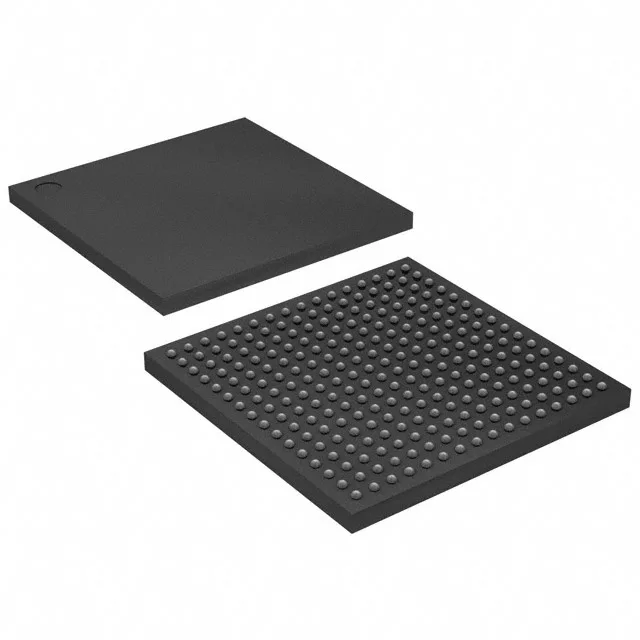
Intel EP4CE22E22C8N — FPGA / CPLD & Programmable Logic

Intel EP4CE22E22C8N Cyclone IV E FPGA, 22320 LEs, 79 I/O

MPNEP4CE22E22C8N
Active

Intel Cyclone® IV E FPGA, EP4CE22E22C8N, 22320 logic elements, 79 I/O, 608256 RAM bits, 1.15V–1.25V core, 0°C to 85°C, 144-EQFP (20x20), Tray.

$32.0600Ref. price · indicative, final on quote
Independent supplier — new & surplus stockAuthenticity-screened · ESD-safe packingListing updated Aug 2026

Specifications

EP4CE22E22C8N specifications
ParameterValue
SeriesCyclone® IV E
MountingSurface Mount
Supply voltage1.15V ~ 1.25V
Operating temperature0°C~85°C(TJ)
PackageTray
Number of i (O)79
Case144-LQFP Exposed Pad
Total RAM bits608256
Number of LABs (CLBs)1395
Number of logic elements (Cells)22320

Product details

22320 logic elements, 79 I/O — Cyclone IV E density sweet spot

The EP4CE22E22C8N: The core runs from 1.15V to 1.25V, and the commercial temperature grade (0°C to 85°C junction) covers indoor equipment, test gear, and industrial control panels without the upcharge of an industrial-range part.

Supplied in a 144-LQFP Exposed Pad (144-EQFP) package measuring 20x20 mm, surface-mount. The 0.5 mm pitch demands careful PCB routing; a 4-layer board with a dedicated ground plane under the FPGA is typical for the I/O count and core current draw.

Frequently asked questions

Is EP4CE22E22C8N equivalent to EP4CE22E22I8N?

They are not drop-in equivalents for thermal design; the industrial variant is needed for outdoor or extended-temperature enclosures.

What is the closest functional second-source to EP4CE22E22C8N?

The EP4CGX15BF14C8N is a Cyclone IV GX FPGA with 14400 logic elements and 72 I/O — roughly 35% fewer LEs and 9% fewer I/O than the EP4CE22E22C8N. It also adds transceivers (GX series) but comes in a different package (484-FBGA). It is not a pin-compatible replacement; a board redesign is required.

Does EP4CE22E22C8N support DDR3?

The Cyclone IV E family does not include a hard memory controller for DDR3. External DDR3 can be interfaced through the FPGA fabric using a soft memory controller IP, but the I/O speed grade and pin timing must be verified against the specific DDR3 speed grade. The EP4CE22E22C8N's 79 I/O are not optimized for high-speed memory interfaces.