Infineon Technologies W229BHT — Clock & Timing ICs

W229BHT Spread Spectrum Clock Generator, 1:31 Fanout

MPNW229BHT
End of Life

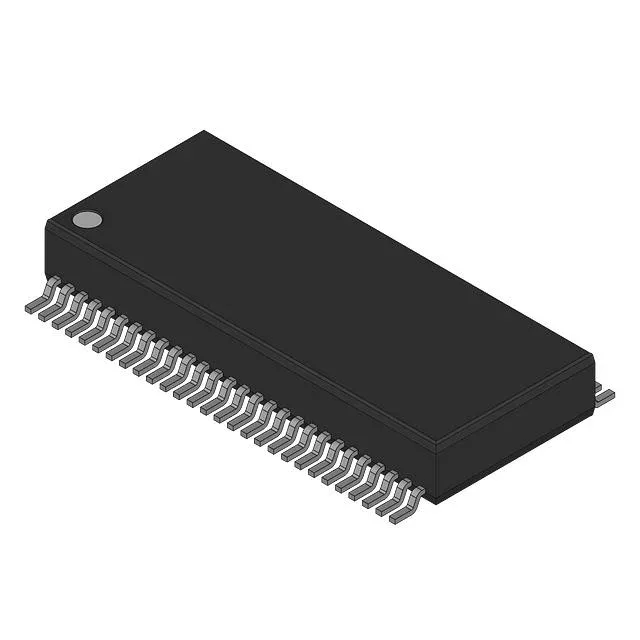
W229BHT, Spread Spectrum Clock Generator, PLL Yes, Input LVTTL/Crystal, Output Clock/Crystal, 48MHz/66MHz max, 1:31 ratio, 2 circuits, 2.375V-2.625V / 3.135V-3.465V supply, 0°C to 70°C, 56-BSSOP (7.50mm width), Surface Mount.

$2.33Ref. price · indicative, final on quote
Packaging56-BSSOP (0.295", 7.50mm Width)
StockContact for availability
MOQ1 pcs
  • 100% new & originalTraceable channels only — no refurbs, no pulls, no remarked parts.
  • Date & lot codes on quoteStated per line before you commit; label photos on request.
  • MSL-compliant ESD packingMoisture-sealed bags with indicator cards; reels photo-verified.
  • PayPal buyer protectionPay by T/T, PayPal or Payoneer — card payments covered end to end.

Specifications

W229BHT Technical Specifications
ParameterValue
TypeSpread Spectrum Clock Generator
Mounting typeSurface Mount
Voltage2.375V ~ 2.625V, 3.135V ~ 3.465V
Frequency48MHz, 66MHz
Operating temperature0°C ~ 70°C (TA)
PLLYes
InputLVTTL, Crystal
OutputClock, Crystal
PackageBulk
Case56-BSSOP (0.295\", 7.50mm Width)
Divider (Multiplier)Yes/No
Number of circuits2
Ratio - Input:Output1:31
Differential - Input:OutputNo/No

Product details

What the W229BHT is and where it fits

The W229BHT is a spread spectrum clock generator with an integrated PLL, designed to reduce electromagnetic interference (EMI) in digital systems by modulating the output clock frequency. It accepts either an LVTTL reference or a crystal input and delivers up to 31 clock outputs from a single input, making it suitable for distributing a clean, low-jitter clock across a multi-load PCB. The part operates from dual supply rails — 2.375 V to 2.625 V or 3.135 V to 3.465 V. The commercial temperature range (0°C to 70°C) targets indoor equipment: servers, networking gear, test instruments, and office peripherals where ambient stays controlled. Two internal PLL circuits (Number of Circuits: 2) let the device generate independent clock domains from a single reference, useful when a board needs one spread-spectrum clock for the main bus and a fixed-frequency clock for a serial interface.

1:31 fanout — what it means for the board

The 1:31 input-to-output ratio is the standout spec. A single crystal or LVTTL input drives up to 31 clock loads — DRAMs, FPGAs, Ethernet PHYs, or ASICs — without external fanout buffers. That saves board area and reduces part count on dense multi-layer designs. The CY2305SXI-1HT, a common zero-delay buffer, offers only a 1:5 fanout; the W229BHT replaces three or four of those parts in a high-load clock tree. Outputs are single-ended (Differential - Input:Output: No/No), so the clock signals are LVTTL/LVCMOS-level. For long traces or noisy environments, series termination at the source is recommended to maintain edge rates.

Frequently asked questions

Is W229BHT compatible with a 3.3V supply?

Yes. The supply voltage range includes 3.135 V to 3.465 V, which covers a nominal 3.3 V rail. The part also accepts a 2.5 V supply (2.375 V to 2.625 V) for mixed-voltage boards.

What is the difference between W229BHT and similar clock generators?

The main difference is the 1:31 fanout ratio versus typical 1:5 or 1:10 parts. The W229BHT also integrates two PLL circuits, allowing independent clock domains from one reference. Most competitors offer a single PLL and fewer outputs.