Infineon Technologies W164G — Clock & Timing ICs

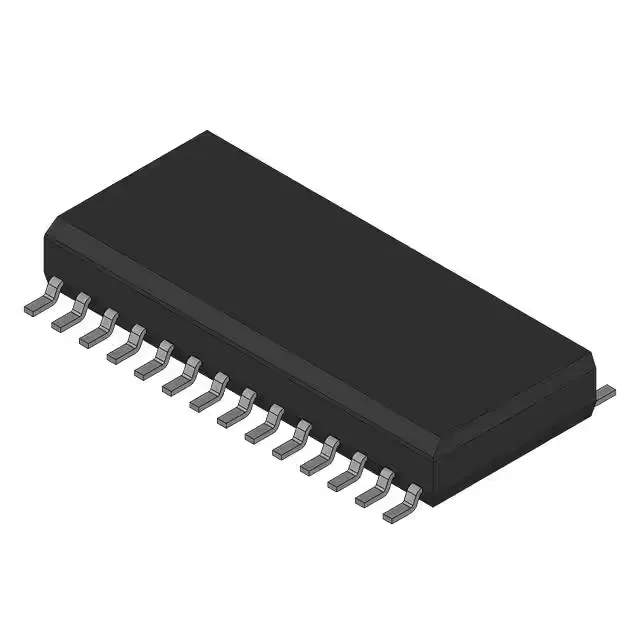
W164G Spread Spectrum Clock Generator, PLL, 28-SOIC

MPNW164G
End of Life

W164G Spread Spectrum Clock Generator, PLL Yes, Input Clock/Crystal, Output Clock, 2 Circuits, 1:13 I/O, Frequency Max 14.318MHz/24MHz/48MHz, Supply 2.375V~2.625V / 3.135V~3.465V, 28-SOIC (0.295", 7.50mm Width), Surface Mount, 0°C~70°C.

$1.04Ref. price · indicative, final on quote
Packaging28-SOIC (0.295", 7.50mm Width)
RoHSNot applicable
Independent supplier — new & surplus stockAuthenticity-screened · ESD-safe packingListing updated Aug 2026

Specifications

W164G specifications
ParameterValue
TypeSpread Spectrum Clock Generator
MountingSurface Mount
Supply voltage2.375V ~ 2.625V, 3.135V ~ 3.465V
Frequency - max14.318MHz, 24MHz, 48MHz
Operating temperature0°C ~ 70°C (TA)
PLLYes
InputClock, Crystal
OutputClock
PackageBulk
Case28-SOIC (0.295\", 7.50mm Width)
Divider (Multiplier)Yes/No
Number of circuits2
Ratio - Input:Output1:13
Differential - Input:OutputNo/No

Product details

The W164G is a spread spectrum clock generator with an integrated PLL, designed to reduce electromagnetic interference (EMI) by modulating the output clock frequency over a narrow band. It accepts either a crystal or a clock input and produces up to thirteen clock outputs from a single reference, covering three maximum output frequencies: 14.318 MHz, 24 MHz, and 48 MHz. The part contains two independent PLL circuits, allowing separate clock domains — for example, one PLL can generate a 48 MHz MCU clock while the other produces a 14.318 MHz video clock — all from one crystal. Typical applications include desktop and notebook PCs, peripherals, set-top boxes, and any digital system where conducted or radiated EMI must be attenuated without adding shielding or ferrites.

The 28-SOIC wide-body package (0.295" body width, 7.50 mm) is common among clock generators; verify board layout accommodates the 7.50 mm width.

Frequently asked questions

What is the frequency range of the W164G?

These cover common system clocks for video, USB, and MCU domains.

Does the W164G require an external crystal?

The W164G accepts either a crystal or a clock input as its reference. An external crystal can be used, but a clock signal from another source is also acceptable.

What are the typical applications for the W164G spread spectrum clock generator?

Typical applications include desktop and notebook PCs, peripherals, set-top boxes, and any digital system where EMI reduction is needed without adding shielding or ferrites.