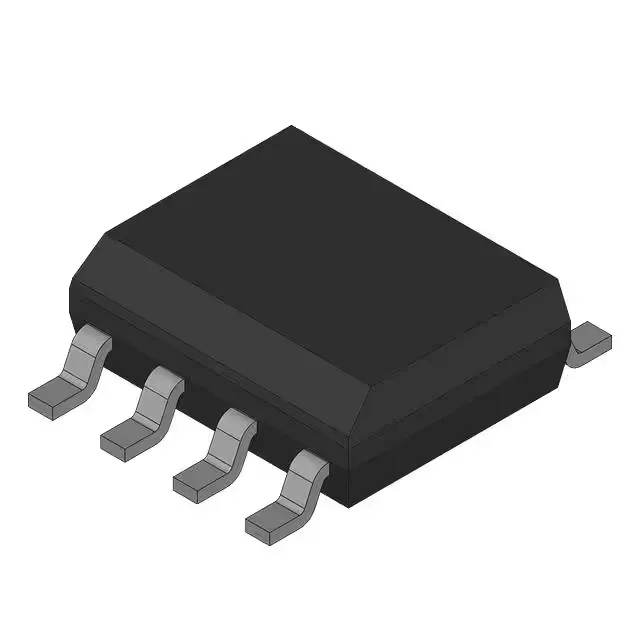
5V fixed rail, 100 mA — what the dropout and protection tell a repair tech
The TLF2931G V50 is an Infineon LDO regulator in a PG-DSO-8 package, delivering a fixed 5V output at up to 100 mA. It's AEC-Q100 qualified for automotive use, which means it's been through the reliability screening for under-hood and cabin electronics — temperature cycling, ESD, and latch-up are baked into the qualification. The 0.6V maximum dropout at full load tells you the input rail needs to stay above 5.6V to hold regulation. If a board comes in with a dead 5V rail and the input is at 5.4V, the scorch mark isn't on the regulator — the input is too low. Protection features include mirror-image insertion, over-current, over-temperature, and reverse polarity — the kind of built-in safeguards that keep a miswired bench test from killing the part instantly. Reverse polarity protection is especially useful when the board gets powered up with the leads swapped.
The TLF2931G V50 lists 80 dB of PSRR at 120 Hz. That's the frequency of a full-wave-rectified alternator output — the ripple that appears on the battery rail in a running vehicle. 80 dB means the regulator attenuates that ripple by a factor of 10,000, so the 5V rail feeding a sensor or MCU stays clean. At higher frequencies PSRR typically rolls off, but for the dominant 120 Hz automotive noise this part is well matched to the application.