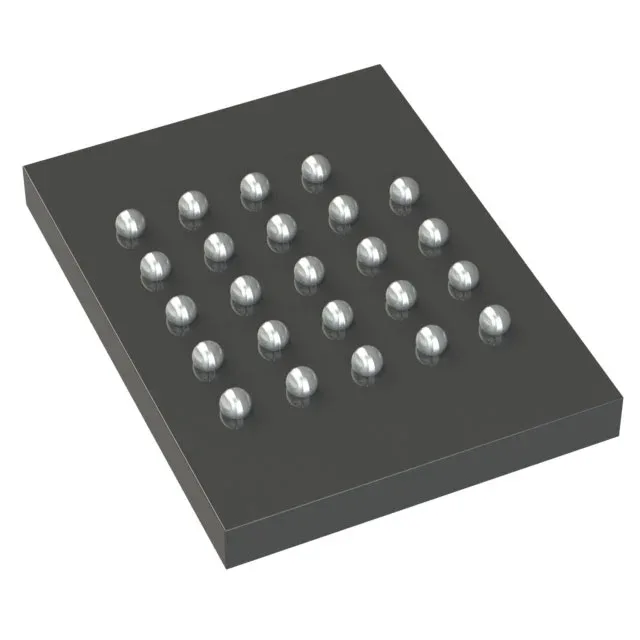
Infineon Technologies S26KS128SDGBHN030 — Memory (DRAM / SRAM / Flash / EEPROM)

Infineon S26KS128SDGBHN030 HyperFlash 128Mbit NOR, 133MHz

MPNS26KS128SDGBHN030
Active

Infineon Technologies HyperFlash™ KS parallel NOR flash, S26KS128SDGBHN030, 128Mbit, 133 MHz, 96 ns access, 1.7 V, -40°C to +125°C, 24-FBGA tray.

$7.42Ref. price · indicative, final on quote
Independent supplier — new & surplus stockAuthenticity-screened · ESD-safe packingListing updated Aug 2026

Specifications

S26KS128SDGBHN030 specifications
ParameterValue
SeriesHyperFlash™ KS
InterfaceParallel
MountingSurface Mount
Operating temperature high-40°C to 125°C (TA)
Frame_size128Mbit
Access time96 ns
Memory typeNon-Volatile
Frequency133000000.0
Package_typeTray
Memory formatFLASH
StatusActive
Supply voltage1.7
Memory organization16M x 8

Product details

128Mbit parallel NOR with 133 MHz page-read

The S26KS128SDGBHN030 is a 128Mbit parallel NOR flash from Infineon's HyperFlash™ KS family, organized 16M x 8. It clocks at 133 MHz for page-mode reads and delivers a 96 ns initial access time — the first-word latency before the page buffer streams the rest at the clock rate. Running from a 1.7 V supply, it fits low-voltage embedded designs where a single 1.8 V rail powers both the flash and the host controller.

Parallel interface and package fit

The parallel interface gives deterministic read latency compared to SPI NOR — useful when the MCU boots directly from flash or when XIP (eXecute-In-Place) code needs predictable fetch timing. The 24-ball FBGA package is a hand-solderable size for a rework station, though a hot-air profile is recommended over a soldering iron for the BGA balls. Supplied in tray format, it's ready for pick-and-place volume assembly. No reel option is listed, so for high-volume lines you'll want to confirm tray-to-reel transfer with your assembler.

Frequently asked questions

What is the read performance of this HyperFlash part?

The S26KS128SDGBHN030 has a 96 ns initial access time and a 133 MHz clock for page-mode reads. The first word takes 96 ns; subsequent words in the same page stream at the 133 MHz rate, giving an effective burst throughput well above a traditional parallel NOR.