This combination of density and interface speed makes it a solid choice for code shadowing, firmware storage, and over-the-air update staging in embedded systems where the MCU or SoC boots from external Flash.
80 MHz Quad I/O — throughput without the bus bottleneck
The 80 MHz clock rate, combined with Quad I/O, delivers a read throughput that keeps the processor fed during execute-in-place (XIP) operation. On a four-lane bus, the effective data rate approaches 320 Mbps, which is enough to support real-time audio or moderate video frame buffers without stalling the core. If your design is currently using a slower single-I/O SPI part, this Quad I/O interface can simplify the memory hierarchy and reduce the need for a separate SRAM cache.
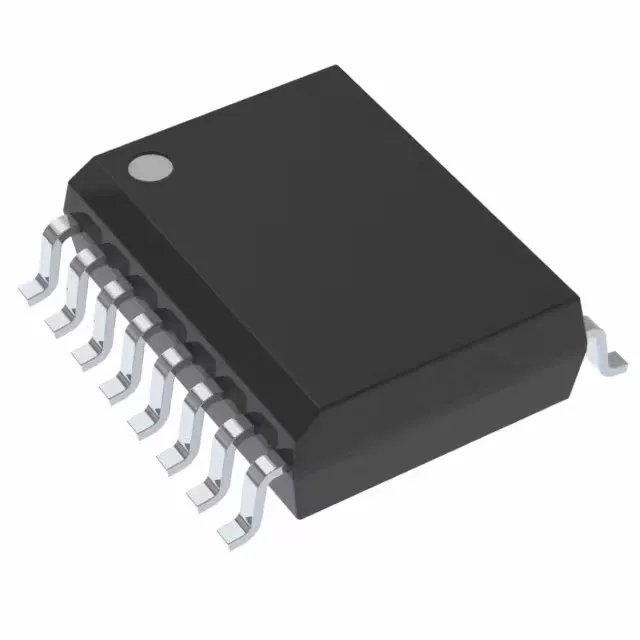
The supplier device package is 16-SOIC, so your existing SOIC-16 wide land pattern should work without a board spin.
For production planning, this removes the sourcing uncertainty that comes with obsolete or NRND NOR Flash alternatives.