256 Mbit NOR for automotive code shadow and data logging
256 Mbit is the density tier that fits two full firmware images plus a configuration block for an automotive MCU companion — enough headroom for over-the-air update staging without squeezing the active image. The 133 MHz Quad-SPI read throughput keeps boot times under a few hundred milliseconds on a typical Cortex-R or Cortex-M core.
The AEC-Q100 qualification is the gate for any automotive ECU, ADAS module, or telematics unit. Without it, a NOR Flash on the BOM triggers a PPAP deviation — this part clears that line item. The 125°C operating temperature covers under-hood soak-back and engine-bay heat, not just the cabin's 85°C max. No external regulator needed if the MCU's VDDIO is 3.3 V — the Flash tracks the same rail.
For a production BOM line that will run for another three to five years, this part does not force a qualification requal or a second-source search — yet.
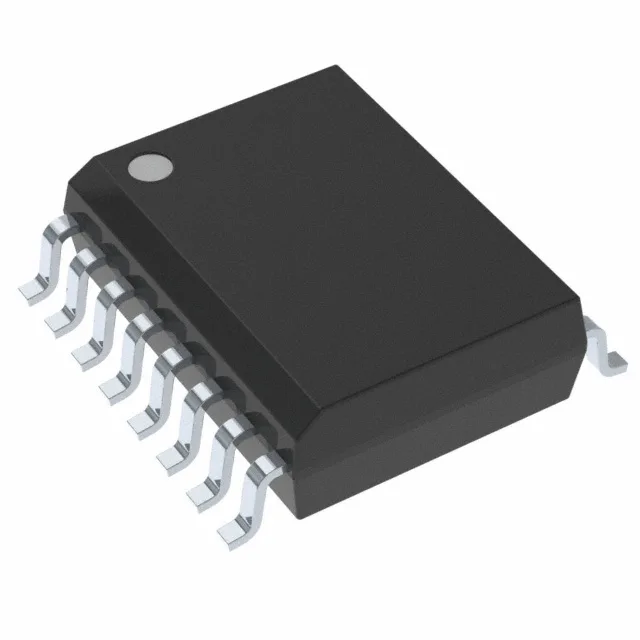
16-SOIC package — footprint and rework
The 16-SOIC package (0.295", 7.50 mm width) is a surface-mount wide-body SOIC — the same footprint used across the FL-S family's 256 Mbit and 512 Mbit density options. The supplier device package is 16-SOIC. On the rework bench, the wide-body SOIC is easier to hot-air remove than a QFN or BGA; the scorch mark on a failed part is usually on pin 1 side if a supply overvoltage took out the I/O ring.