This density and speed suit code-shadowing in MCU/FPGA designs, OTA staging buffers, or configuration storage where fast read throughput and non-volatile retention are required.
133 MHz Quad SPI — timing and throughput
Quad I/O at 133 MHz delivers a theoretical read throughput of 532 Mbps (four data lines × 133 MHz), which is enough to support execute-in-place (XIP) from the Flash without a separate DRAM cache in many embedded systems. The interface uses the same four-pin footprint as standard SPI, so no board re-spin is needed when upgrading from a slower or smaller part in the same package. Clock margin at 133 MHz should be verified against the controller's input hold time, especially across temperature.
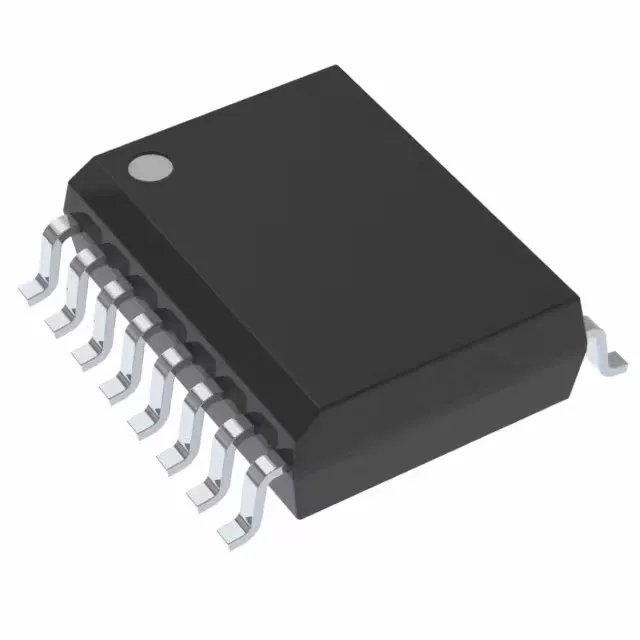
Housed in a 16-pin SOIC with 7.50 mm body width (0.295" wide), the S25FL256SAGMFI013 uses a standard surface-mount footprint common to many NOR Flash parts. The 16-SOIC package is widely second-sourced, which simplifies PCB layout reuse across alternate suppliers. The Tape & Reel (TR) shipping format is the standard for automated pick-and-place assembly.
This means it remains a current-production choice for new designs, and the risk of an unplanned EOL during the product's manufacturing run is low.