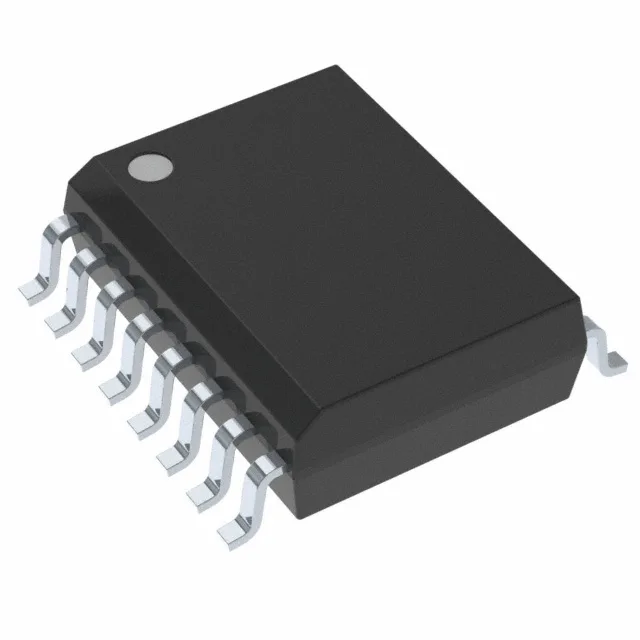
Infineon Technologies S25FL256LAGMFN001 — Memory (DRAM / SRAM / Flash / EEPROM)

S25FL256LAGMFN001 256Mbit NOR Flash, SPI Quad I/O, 133 MHz

MPNS25FL256LAGMFN001
Active

Cypress S25FL256LAGMFN001, FL-L series, 256Mbit NOR Flash memory, SPI Quad I/O and QPI interface, 133 MHz clock, 2.7V-3.6V supply, -40°C to 125°C, 16-SOIC package.

$4.7500Ref. price · indicative, final on quote
Sourced new & surplus through independent channelsAuthenticity-screened · ESD-safe packingListing updated Aug 2026

Specifications

S25FL256LAGMFN001 specifications
ParameterValue
SeriesFL-L
Memory typeNon-Volatile
MountingSurface Mount
Voltage2.7V ~ 3.6V
Frequency133 MHz
Memory interfaceSPI - Quad I/O, QPI
Operating temperature-40°C ~ 125°C (TA)
PackageTube
TechnologyFLASH - NOR
Memory size256Mbit
Memory formatFLASH
Case16-SOIC (0.295\", 7.50mm Width)
Memory organization32M x 8

Product details

At 133 MHz with Quad I/O, each read command fetches four bits per clock cycle. That translates to roughly 66 MB/s raw throughput, which keeps the CPU fed during code fetch without wait states on most Cortex-M and RISC-V cores. The QPI mode cuts the command overhead on random reads by using a single 4-bit bus for both address and data, improving efficiency on scattered accesses like interrupt vectors.

125°C rating — where it runs without a fan

No derating needed for self-heating in a sealed enclosure; the NOR Flash draws low enough active current that junction temp stays close to ambient.

16-SOIC wide-body — rework-friendly footprint

The 16-SOIC (0.295", 7.50 mm width) package is a gull-wing leaded form that is straightforward to hand-solder and inspect. Unlike QFN or BGA, you can probe the pins, rework it with hot air without lifting pads, and visually verify solder joints. The wide body also helps with thermal dissipation if the part is running near the 125°C limit.

Frequently asked questions

Is S25FL256LAGMFN001 compatible with QSPI interface?

Yes, it supports SPI Quad I/O (four data lines) and QPI (Quad Peripheral Interface) modes. The Quad I/O interface doubles the throughput of standard SPI, and QPI reduces command overhead for random reads. Both are compatible with most MCU QSPI controllers.