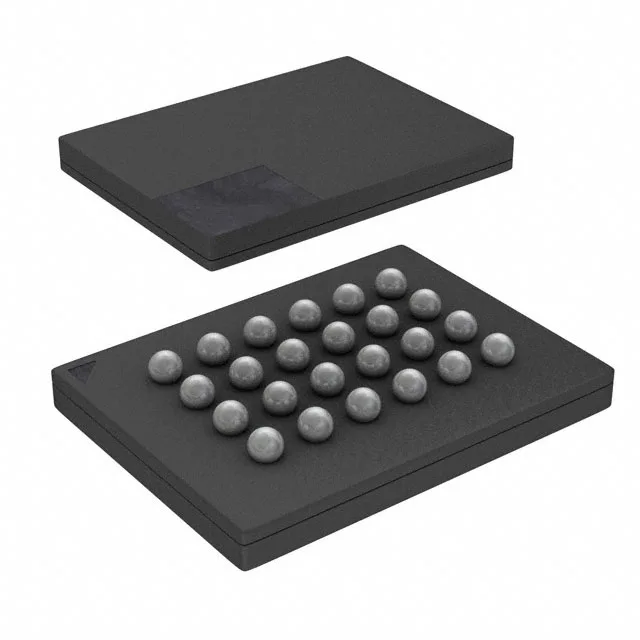
Infineon Technologies S25FL256LAGBHI033 — Memory (DRAM / SRAM / Flash / EEPROM)

S25FL256LAGBHI033 Infineon NOR Flash, 256Mbit, 133 MHz

MPNS25FL256LAGBHI033
Obsolete

Infineon Technologies FL-L series NOR Flash, 256Mbit, SPI Quad I/O / QPI, 133 MHz, 2.7–3.6 V, 32M × 8, -40 to 85°C, 24-TBGA (6×8 mm), Tape & Reel.

Sourced new & surplus through independent channelsAuthenticity-screened · ESD-safe packingListing updated Jul 2026

Specifications

S25FL256LAGBHI033 specifications
ParameterValue
SeriesFL-L
Memory typeNon-Volatile
MountingSurface Mount
Voltage2.7V ~ 3.6V
Frequency133 MHz
Memory interfaceSPI - Quad I/O, QPI
Operating temperature-40°C~85°C(TA)
PackageTape & Reel (TR)
TechnologyFLASH - NOR
Memory size256Mbit
Memory formatFLASH
Case24-TBGA
Memory organization32M x 8

Product details

Infineon lists the S25FL256LAGBHI033 as Obsolete.

256 Mbit NOR Flash — SPI Quad I/O at 133 MHz

The S25FL256LAGBHI033 is a 256 Mbit (32M × 8) NOR Flash from Infineon's FL-L series, organized as a single non-volatile memory array with an SPI Quad I/O and QPI interface. The interface clocks at 133 MHz, delivering a sustained read throughput that suits code-shadowing and firmware storage in embedded systems where the processor boots directly from the NOR device.

24-BGA package — board-fit checklist

Housed in a 24-ball TBGA with a supplier device package of 24-BGA (6×8 mm), the part requires a 6×8 mm footprint on the PCB. The surface-mount BGA package demands a controlled reflow profile per the moisture sensitivity level (MSL) — the tape-and-reel delivery is standard for pick-and-place assembly.

Frequently asked questions

What is the closest pin-compatible alternative to S25FL256LAGBHI033 in this memory family?

No official pin-compatible successor is recorded in the lifecycle entry for the S25FL256LAGBHI033. The FL-L series includes other densities and temperature grades, but a direct drop-in replacement requires checking the specific package (24-BGA 6×8 mm), interface (SPI Quad I/O), and voltage range (2.7–3.6 V) against any candidate part. Without a documented cross-reference, a board spin may be necessary.