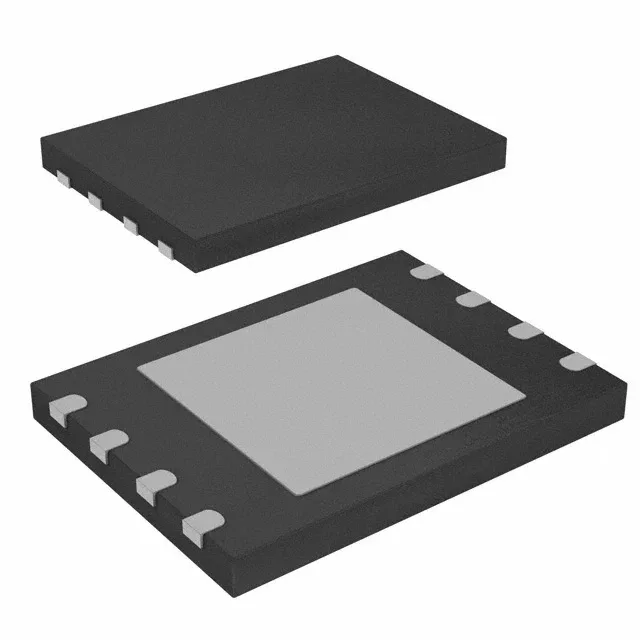
What this NOR flash does in the system
It talks over a Quad I/O SPI interface at up to 104 MHz, which means you can clock code or config data off it fast enough for many embedded boot and logging jobs.
104 MHz Quad I/O — what it buys you
The 104 MHz clock rate on the SPI bus, combined with Quad I/O (four data lines), gives read throughput that can keep a microcontroller's execute-in-place (XIP) path fed without wait states for many Cortex-M class parts. Page program time is 3 ms typical, word program 5 µs — fast enough for OTA staging if your firmware layer manages the 4 KB and 64 KB erase granularity properly.
The 8-WSON package with exposed pad helps pull heat out if you're running continuous reads near the temperature ceiling.
That doesn't mean it's gone overnight — it means new-production allocation has stopped, and any remaining factory stock or distributor inventory is the last. If your design is already in production, you need to qualify a replacement or secure the remaining supply through independent distribution.