It communicates over a standard SPI interface at up to 104 MHz, which gives it enough read bandwidth to support direct code execution (XiP) from flash in many embedded designs.
104 MHz SPI clock — read throughput and boot time
The 104 MHz SPI clock is the headline performance spec for this part. At that speed, a single SPI read command can sustain tens of megabytes per second, which is enough to feed a Cortex-M or low-end ARM SoC directly from flash without a separate DRAM buffer. The 3 ms page write time is typical for NOR — fine for configuration storage and firmware updates, but not a candidate for high-frequency data logging.
That means the manufacturer has stopped production, and no further last-time-buy windows are open. Any available units are new-old-stock or surplus inventory sitting in distributor or broker channels.
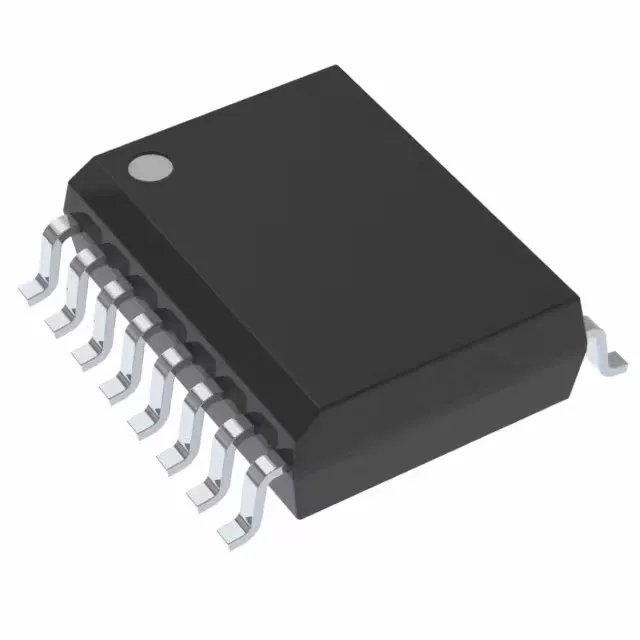
16-SOIC package — footprint and rework considerations
This is the same mechanical outline used in the industry-standard 16-pin SOIC footprint, which means a board designed for this part can often accept a replacement from another manufacturer without a layout change.