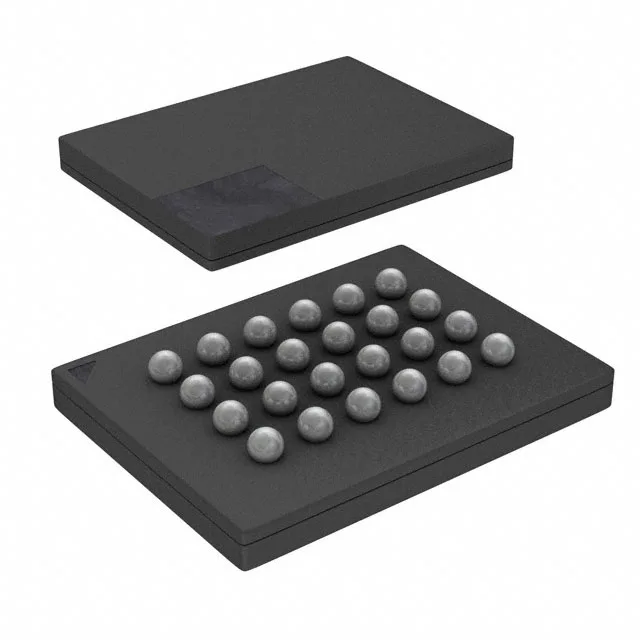
128 Mbit NOR Flash — the SPI boot device that just went end-of-life
The S25FL128LDPBHI033: This is the density and interface tier commonly used for FPGA configuration storage, firmware images in telecom line cards, and boot code in industrial controllers — anywhere you need fast random-access read and reliable non-volatile storage with a small footprint.
Obsolete — plan the last-time-buy or the replacement now
That means Infineon has stopped production, and the only remaining channel is surplus inventory or broker stock. If you have an active BOM line using this exact order code, you need to either secure your last-time-buy quantities immediately or qualify a replacement. The FL-L series has several density and package variants that share the same SPI Quad I/O interface — a pin-compatible swap within the family is the first place to look, but verify the specific package code and temperature grade against your board.
The 66 MHz clock frequency with Quad I/O gives a theoretical read throughput of about 33 MB/s — enough to feed an FPGA configuration bitstream or shadow a firmware image into RAM at boot without stalling the processor. The QPI (Quad Peripheral Interface) mode reduces the command overhead by using all four data lines for the opcode as well, which helps when the controller supports it. The 2.7 V minimum supply is worth noting: if your rail dips below that during brownout, the Flash may not respond correctly on the first read attempt — sequence the power-up so the supply is stable before the SPI master asserts chip select.
The 24-ball BGA with a 6x8 mm body is a fine-pitch array that requires controlled reflow and X-ray inspection after placement. If you are replacing this part on an existing board, the replacement must match the ball map exactly.