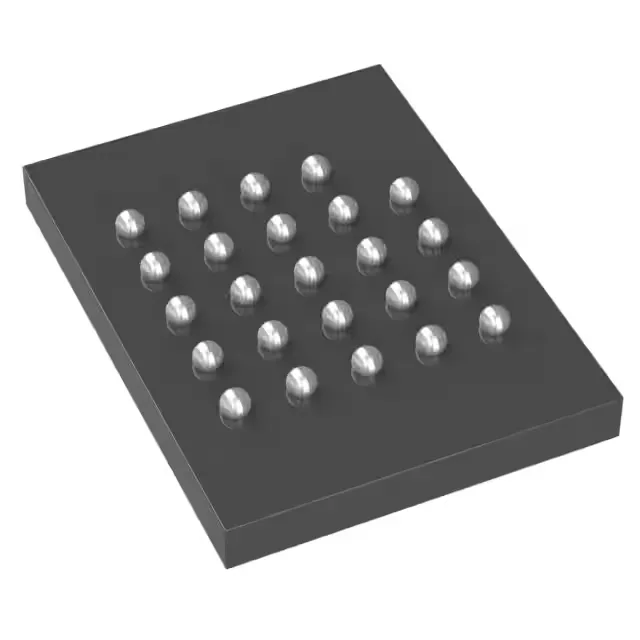
64 Mbit NOR Flash in a 24-BGA — what you're working with
108 MHz Quad I/O — why it matters for your boot and firmware pipeline
A 108 MHz clock on the Quad I/O interface translates to a read throughput that can keep up with many Cortex-M or RISC-V cores during execute-in-place (XIP) operation, or load firmware into RAM quickly at power-up. The QPI mode reduces the command overhead by using the four I/O lines for address and data, which tightens the bus turnaround. If you're sizing the flash for an OTA update buffer, the 64 Mbit capacity leaves headroom for at least one fallback image alongside the active firmware image in a typical embedded application.
The FL-L series is a current product family from Infineon, so PCN notifications would follow the standard product-change process — nothing exceptional to flag.
Package and supply — layout checklist
The 24-ball TBGA (8x6 mm) is a fine-pitch BGA. Route the Quad I/O traces with matched length to keep signal skew within a few hundred picoseconds at 108 MHz.