A driver capable of 2 A to 4 A peak source/sink is typical to keep switching losses in check.
175 °C junction — extended thermal headroom
This gives extra margin in high-ambient environments such as under-hood automotive, server power supplies, and industrial motor drives where the case temperature may approach 100 °C.
For production BOMs, this reduces the supply-chain risk of a sudden discontinuation.
TO-220AB — the through-hole footprint for high-current routing
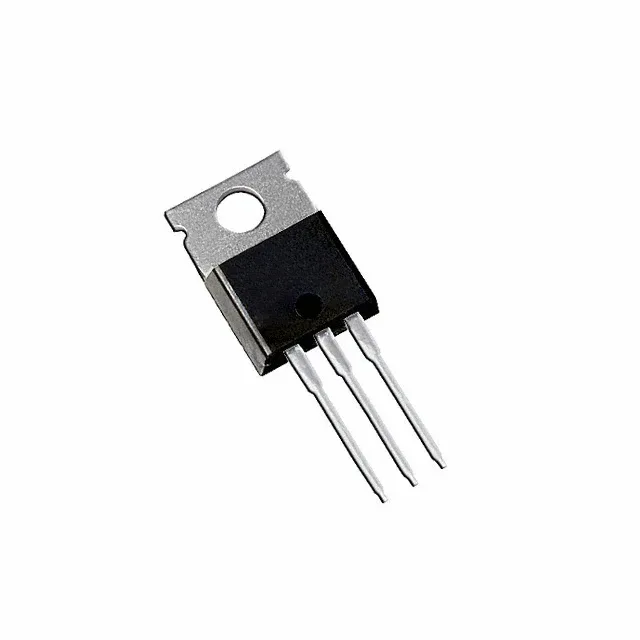
Housed in a TO-220-3 (TO-220AB) through-hole package, the IRFB7434PBF suits designs where the PCB copper cannot carry the full drain current on a surface-mount land pattern. The through-hole leads and exposed metal tab allow direct heatsink attachment with a screw or clip. The gate threshold voltage is specified at 3.9 V maximum at 250 µA drain current, ensuring compatibility with 5 V logic and 10 V gate-drive levels.