150 V, 18 A — the voltage class that saves you from 100 V bus blow-ups
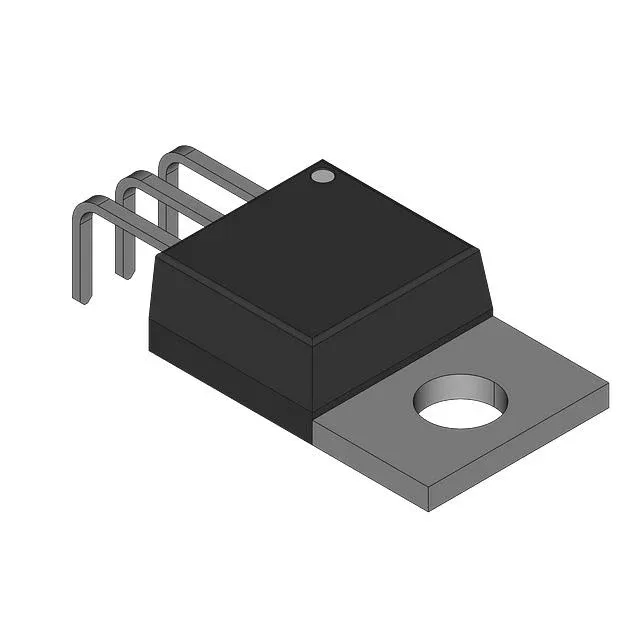
The IRF241 is an N-channel HEXFET MOSFET rated at 150 V drain-source and 18 A continuous drain current, in a TO-204AE through-hole package. That 150 V rating puts it solidly above the 48 V to 100 V bus range — you get derating headroom without jumping to a 200 V part that costs more and switches slower. The 125 W power dissipation tells you the thermal budget: at 18 A the Rds(on) will need a heatsink, but the TO-204AE (the old TO-3 can) bolts to a chassis or heatsink with two screws — no PCB pad to pull heat through.
125 W is the maximum power the die can shed at 25 °C case temperature. In a real motor drive or battery charger running at 10 A and 0.2 Ω Rds(on) (hot), that is 20 W of conduction loss — well inside the 125 W ceiling, but you still need a heatsink sized for the ambient. The TO-204AE case gives you a metal tab that bolts directly to a chassis; a smear of thermal grease and two 4-40 screws and you are done. No lab, no bench — swap it on site if the old one blew.
No need to stockpile or chase a replacement yet.