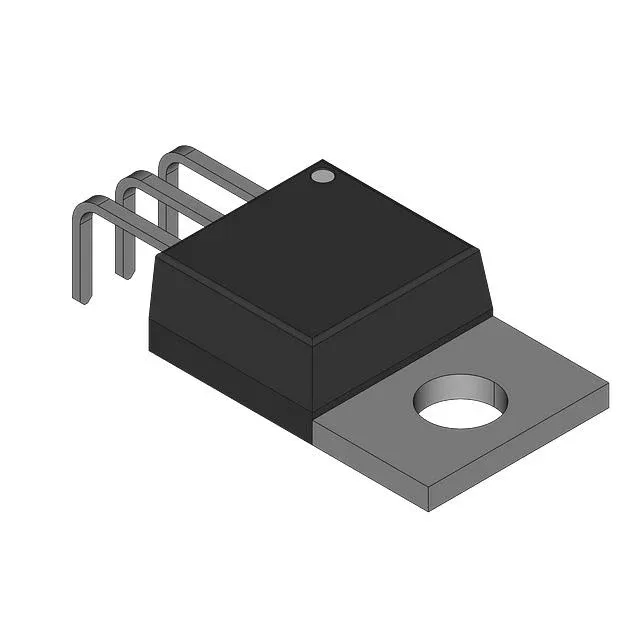
Infineon Technologies IGP50N60T

IGP50N60T TRENCHSTOP™ IGBT, 600 V, 90 A, TO-220-3

MPNIGP50N60T
End of Life

Infineon TRENCHSTOP™ IGP50N60T, Trench Field Stop IGBT, 600 V Vces, 90 A Ic, 150 A pulsed, 2 V Vce(on) at 50 A, 333 W, TO-220-3, -40 to 175 °C.

$2.27Ref. price · indicative, final on quote
PackagingTO-220-3
SeriesTRENCHSTOP™
Independent supplier — new & surplus stockAuthenticity-screened · ESD-safe packingListing updated Jul 2026

Specifications

IGP50N60T specifications
ParameterValue
SeriesTRENCHSTOP™
IGBT typeTrench Field Stop
Input typeStandard
MountingThrough Hole
Voltage - collector emitter breakdown600 V
Current - collector (Ic)90 A
Current - collector pulsed150 A
Power - max333 W
Operating temperature-40°C ~ 175°C (TJ)
PackageBulk
Gate charge310 nC
CaseTO-220-3
Test condition400V, 50A, 7Ohm, 15V
Switching energy1.2mJ (on), 1.4mJ (off)
Td (on/off) @ 25°C26ns/299ns
Vce(on) (Max) @ vge, ic2V @ 15V, 50A

Product details

600 V, 90 A — the power-stage workhorse

The Infineon IGP50N60T is a TRENCHSTOP™ Trench Field Stop IGBT rated for 600 V collector-emitter breakdown and 90 A continuous collector current, with a pulsed current capability of 150 A.

Conduction and switching losses — the thermal budget drivers

At a test condition of 400 V, 50 A, 7 Ω gate resistor, and 15 V gate drive, the typical Vce(on) is 2 V — this defines the conduction loss floor at full load. Switching energy is 1.2 mJ (turn-on) and 1.4 mJ (turn-off), which together with the 333 W maximum power dissipation sets the heatsink requirement for the target switching frequency. Turn-on delay is 26 ns and turn-off delay is 299 ns at 25°C, giving a usable switching window for PFC, welding inverters, and motor-drive stages up to the 30–40 kHz range before dead-time margins shrink.

Frequently asked questions

What applications is IGP50N60T suitable for?

The 600 V / 90 A rating, Trench Field Stop technology, and 175°C Tj max make it suited for hard-switching power stages in motor drives, uninterruptible power supplies, welding inverters, and power-factor correction circuits — any application where low conduction loss and robust switching behaviour are required.