Zero-recovery SiC Schottky for hard-switched power stages
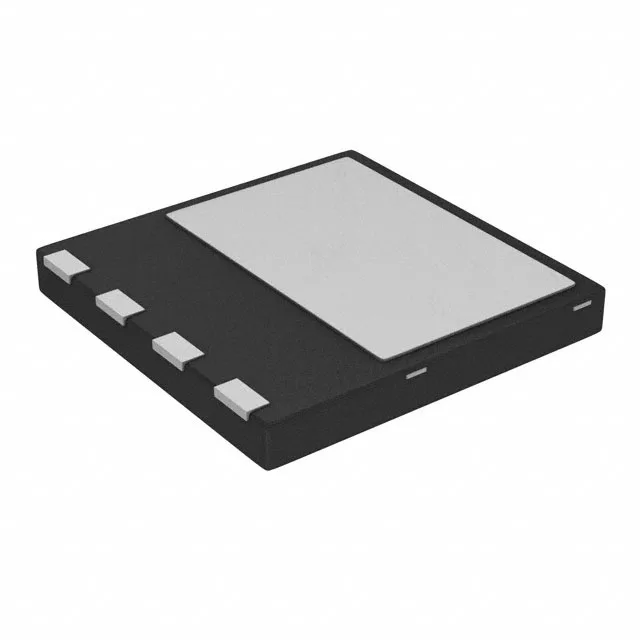
Its defining characteristic is zero reverse recovery time — the datasheet lists trr at 0 ns — which eliminates the switching losses and EMI that a standard silicon ultrafast diode generates during turn-off. For a PFC boost stage, LLC resonant tank, or photovoltaic inverter, that means the diode no longer dictates the switching frequency ceiling or the snubber bill of materials. The part is surface-mount in a 4-PowerTSFN package, also designated PG-VSON-4.
What the zero-recovery spec means for the switching node
Reverse leakage at the 650 V blocking voltage is 190 µA — a figure to include in standby-loss and thermal calculations, particularly if the diode will spend significant time at high junction temperature. Capacitance at 1 V bias is 360 pF. This is the output capacitance the switching node sees; it contributes to the resonant tank in LLC converters and to the turn-on loss of the companion switch in hard-switched topologies.
The PG-VSON-4 is a small, no-lead package with a large bottom-side drain pad for thermal conduction. Standard surface-mount reflow applies. Check the moisture-sensitivity level on the reel label before the line runs — a high MSL rating means a bake cycle before reflow if the floor humidity exposure window has been exceeded. The pad footprint is compact, so verify solder-paste stencil aperture for adequate solder joint volume on the thermal pad.