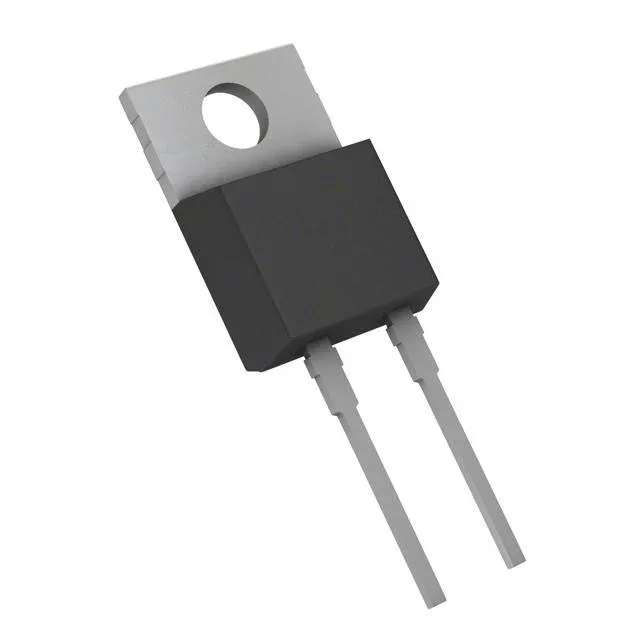
Infineon Technologies IDH10SG60CXKSA2

IDH10SG60CXKSA2 CoolSiC™+ SiC Schottky Diode, 600V 10A

MPNIDH10SG60CXKSA2
End of Life

Infineon CoolSiC™+ IDH10SG60CXKSA2, SiC Schottky diode, 600 V DC reverse, 10 A average rectified, zero reverse recovery time, TO-220-2 through-hole, -55°C to 175°C junction.

$6.36Ref. price · indicative, final on quote
PackagingTO-220-2
RoHSROHS3 Compliant
SeriesCoolSiC™+
Independent supplier — new & surplus stockAuthenticity-screened · ESD-safe packingListing updated Jul 2026

Specifications

IDH10SG60CXKSA2 specifications
ParameterValue
SeriesCoolSiC™+
MountingThrough Hole
Voltage - DC reverse (Vr)600 V
Voltage - forward (Vf) (Max) @ if2.1 V @ 10 A
Current - reverse leakage @ vr90 µA @ 600 V
Current - average rectified10A
Operating temperature - junction-55°C ~ 175°C
SpeedNo Recovery Time > 500mA (Io)
PackageTube
TechnologySiC (Silicon Carbide) Schottky
CaseTO-220-2
Capacitance @ vr,290pF @ 1V, 1MHz
Reverse recovery time0 ns

Product details

The IDH10SG60CXKSA2 is a 600 V, 10 A SiC Schottky diode from Infineon's CoolSiC™+ generation.

600 V / 10 A — where it fits the power stage

Rated for 600 V DC reverse and 10 A average forward current, this diode is sized for the boost diode in a 400 V bus PFC front-end or the freewheeling diode in a 3-phase motor drive up to a few kW. The 2.1 V forward drop at 10 A is typical for a SiC Schottky of this die size — conduction loss is higher than a comparable Si FRED, but the switching loss saving more than compensates above 50 kHz. That margin matters when the diode shares a heatsink with a hot MOSFET or IGBT in a compact enclosure.

Through-hole TO-220-2 — rework and heatsinking

The single-screw tab and wide lead spacing make it straightforward to hand-rework — a hot-air station or soldering iron can lift it without cooking adjacent components, and the tab is easy to clean and re-grease.

Frequently asked questions

What is the reverse recovery time of the IDH10SG60CXKSA2?

Zero — the datasheet lists trr = 0 ns. As a SiC Schottky, it has no minority-carrier stored charge, so there is no reverse recovery event. This eliminates the switching loss spike in hard-switched topologies.