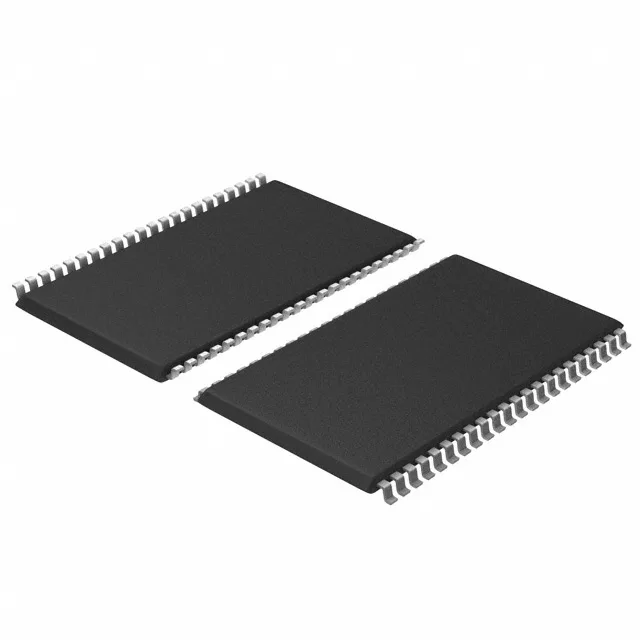
Infineon Technologies FM28V102A-TG — Discrete Semiconductors

Cypress FM28V102A-TG F-RAM 1 Mbit Parallel, 90 ns Access

MPNFM28V102A-TG
End of Life

Cypress F-RAM™, FM28V102A-TG, 1 Mbit (64K x 16) Parallel FRAM, 90 ns Access Time, 2 V ~ 3.6 V Supply, -40°C ~ 85°C, 44-TSOP II (0.400", 10.16mm Width), Surface Mount, Tray.

$18.22Ref. price · indicative, final on quote
Packaging44-TSOP (0.400", 10.16mm Width)
RoHSROHS3 Compliant
SeriesF-RAM™
Independent supplier — new & surplus stockAuthenticity-screened · ESD-safe packingListing updated Aug 2026

Specifications

FM28V102A-TG specifications
ParameterValue
SeriesF-RAM™
Memory typeNon-Volatile
MountingSurface Mount
Supply voltage2V ~ 3.6V
Memory interfaceParallel
Operating temperature-40°C ~ 85°C (TA)
PackageTray
TechnologyFRAM (Ferroelectric RAM)
Access time90 ns
Memory size1Mbit
Memory formatFRAM
Case44-TSOP (0.400\", 10.16mm Width)
Memory organization64K x 16
Write cycle time - word, page90ns

Product details

FRAM with SRAM-speed reads — no battery needed

The Cypress FM28V102A-TG is a 1 Mbit parallel FRAM organised as 64K x 16 bits. It combines non-volatile storage with a 90 ns access time and 90 ns write-cycle time.

Industrial temperature grade — what it covers

It is not specified for under-hood automotive (no AEC-Q100 claim), but it will handle a ventilated enclosure in a hot machine shop or a rooftop radio unit.

Package fit — 44-TSOP II

Housed in a 44-pin TSOP II (0.400" body width, 10.16 mm), the footprint matches many parallel SRAMs and FRAMs in the same density class.

Lifecycle — no obsolescence clock

Cypress (now Infineon) lists this part as Active.

Frequently asked questions

Is FM28V102A-TG obsolete or still active?

The part is Active per the manufacturer — no discontinuation or last-time-buy has been issued. It remains a current-production part.

Can FM28V102A-TG replace an SRAM with the same package?

Yes — the parallel interface, 90 ns access time, and 44-TSOP II footprint are directly compatible with many asynchronous SRAMs in the same density and organisation. The key difference: FRAM retains data without power, so no battery is needed.