24 MHz ceiling — why it matters for the BOM tier
At 24 MHz, this part sits below the 48 MHz PSoC 4 siblings (CY8C4245LQI-483). That clock cap is the main differentiator: if your application needs higher throughput or more ADC channels (the CY8C4245LQI-483 offers 8x12b SAR versus this part's single 10-bit), step up. But for touch-button panels, simple motor control, or I²C sensor hubs, 24 MHz is ample and keeps the BOM cost down.
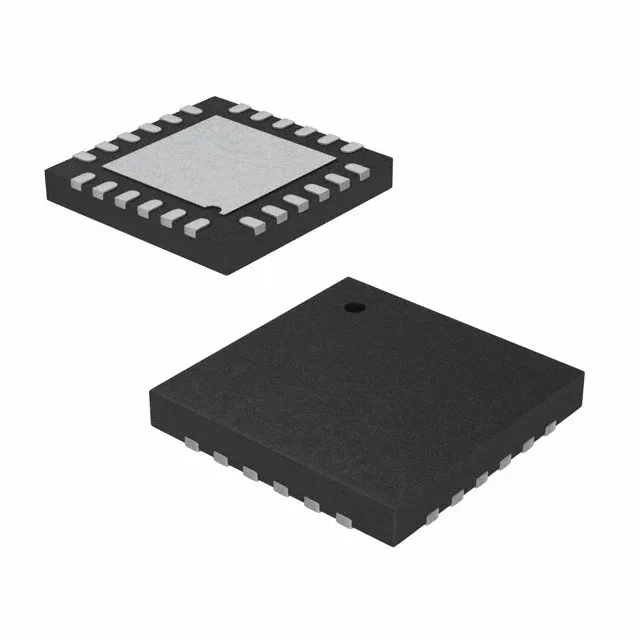
24-QFN footprint and thermal pad — layout notes
The pad is the main thermal path — without a via stitch under it, junction temperature rises faster above 50 mA continuous I/O load. Keep the pad clear of traces on the inner layer and use at least four thermal vias to the ground plane.