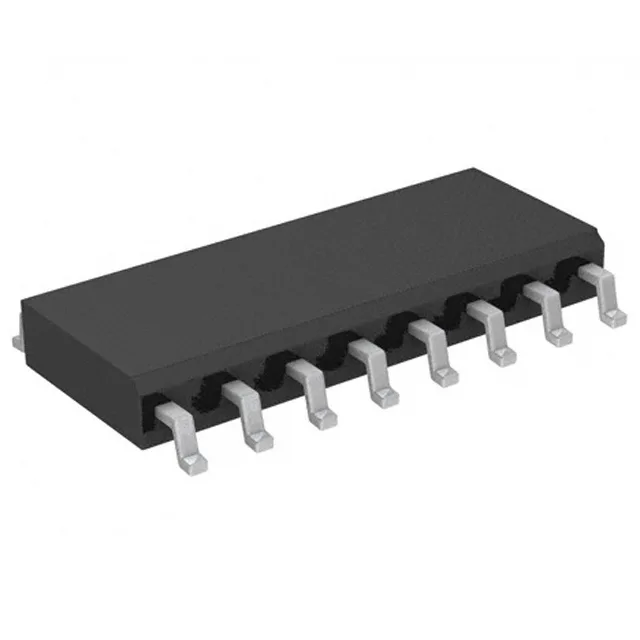
The CY8C4014SXI-421: It integrates a 1x7b and 1x8b DAC, an internal oscillator, and 13 general-purpose I/O lines.
16 MHz clock and 13 I/O — sizing the fit
The 16 MHz ceiling is the main speed constraint versus the 48 MHz PSoC 4 siblings (e.g., CY8C4245LQI-483). For a sensor readout or a simple control loop that polls at a few kilohertz, 16 MHz is ample. But if the firmware runs a bit-banged protocol or a tight PWM update rate, the lower clock means fewer cycles per instruction — budget accordingly. The 13 I/O count, paired with I²C connectivity, suits a compact interface controller or a front-end node that talks to a host over a two-wire bus.
Supply voltage and battery operation
The 1.71 V minimum supply voltage is the headline fit criterion for battery-powered designs. A single alkaline cell will not sustain operation as it sags — the part needs a boost converter or a two-cell stack.
For a production BOM, this part qualifies for new designs without a forced-migration timeline. The laser-etched date-code and top-mark should trace cleanly through a distributor chain — a broker lot with mismatched date-codes or a sanded top-side is a red flag worth a decap check.
Surface-mount package, shipped in tube. The low I/O count keeps the PCB area small — useful for space-constrained designs like a sensor module or a dongle. Standard reflow profile applies; MSL level should be confirmed from the package marking.