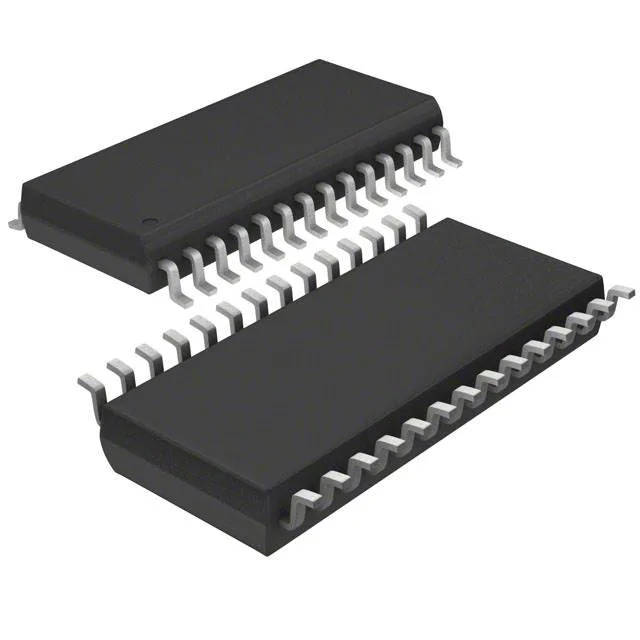
Infineon Technologies CY8C4014PVI-412 — Crystals & Oscillators

CY8C4014PVI-412 PSoC 4 MCU – 16 MHz, 16 KB Flash, 28-SSOP

MPNCY8C4014PVI-412
End of Life

Infineon PSOC® 4 CY8C4000 series, ARM® Cortex®-M0, 32-Bit Single-Core, 16MHz, 16KB (16K x 8) FLASH, 2K x 8 RAM, 28-SSOP (0.209", 5.30mm Width), -40°C ~ 85°C (TA)

$2.56Ref. price · indicative, final on quote
Packaging28-SSOP (0.209", 5.30mm Width)
StockContact for availability
MOQ1 pcs
  • 100% new & originalTraceable channels only — no refurbs, no pulls, no remarked parts.
  • Date & lot codes on quoteStated per line before you commit; label photos on request.
  • MSL-compliant ESD packingMoisture-sealed bags with indicator cards; reels photo-verified.
  • PayPal buyer protectionPay by T/T, PayPal or Payoneer — card payments covered end to end.

Specifications

CY8C4014PVI-412 Technical Specifications
ParameterValue
SeriesPSOC® 4 CY8C4000
Mounting typeSurface Mount
Oscillator typeInternal
Program memory typeFLASH
Voltage - supply (Vcc (Vdd))1.71V ~ 5.5V
Operating temperature-40°C ~ 85°C (TA)
Speed16MHz
PackageTube
RAM size2K x 8
Core size32-Bit Single-Core
PeripheralsBrown-out Detect/Reset, POR, PWM, WDT
ConnectivityI²C
Number of i (O)20
Core processorARM® Cortex®-M0
Case28-SSOP (0.209\", 5.30mm Width)
Data convertersD/A 1x7b, 1x8b
Program memory size16KB (16K x 8)

Product details

16 MHz Cortex-M0 with 16 KB flash — sizing the control loop

The CY8C4014PVI-412 is an entry-level PSoC 4 MCU built around an ARM Cortex-M0 core clocked at 16 MHz. With 16 KB of flash and 2 KB SRAM, this part targets simple sensor readout, button scanning, or PWM generation — not a full RTOS or BLE stack. The 20 general-purpose I/O and integrated I²C let it handle a few external peripherals without an external bus expander.

Frequently asked questions

What development tools support CY8C4014PVI-412?

Infineon's PSoC Creator IDE and the ModusToolbox environment both support the PSoC 4 CY8C4000 series. The CY8CKIT-049-42xx prototyping kit can be used for early software development, though it uses a different package variant — verify the pin mapping before porting code.