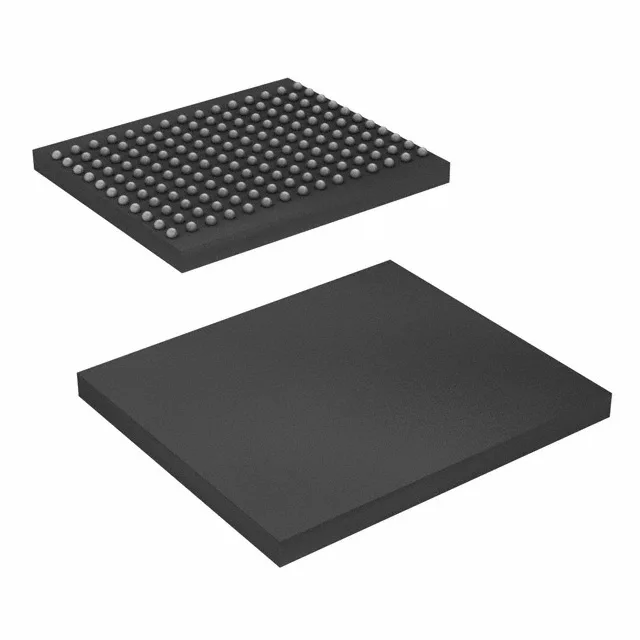
Infineon Technologies CY7C2565XV18-600BZC — Memory (DRAM / SRAM / Flash / EEPROM)

Cypress CY7C2565XV18-600BZC QDR II+ SRAM, 600 MHz, 72Mbit

MPNCY7C2565XV18-600BZC
Active

Cypress CY7C2565XV18-600BZC, QDR II+ synchronous SRAM, 72Mbit (2M x 36), 600 MHz clock, 1.7V-1.9V supply, 165-FBGA (13x15), 0°C to 70°C, tray.

$401.7500Ref. price · indicative, final on quote
Sourced new & surplus through independent channelsAuthenticity-screened · ESD-safe packingListing updated Aug 2026

Specifications

CY7C2565XV18-600BZC specifications
ParameterValue
Memory typeVolatile
MountingSurface Mount
Voltage1.7V ~ 1.9V
Frequency600 MHz
Memory interfaceParallel
Operating temperature0°C ~ 70°C (TA)
PackageTray
TechnologySRAM - Synchronous, QDR II+
Memory size72Mbit
Memory formatSRAM
Case165-LBGA
Memory organization2M x 36

Product details

600 MHz QDR II+ SRAM for high-throughput designs

It operates at a 600 MHz clock frequency, delivering two data words per clock cycle on independent read and write ports — effectively quadruple data rate throughput. This part targets networking equipment, test instrumentation, and FPGA configuration stores where sustained bandwidth and low random-access latency are critical. The 1.7V to 1.9V core supply and 165-ball FBGA (13x15 mm) package suit it for compact, high-layer-count PCBs.

Package and temperature grade — design-in checklist

Surface-mount 165-LBGA (supplier package 165-FBGA, 13x15 mm) with a 1.0 mm ball pitch — standard for high-pin-count SRAM. Supply tolerance is tight at 1.7V–1.9V; the PCB decoupling plan should target low inductance within that window.

Listed as Active in Cypress's product portfolio — no end-of-life notification, no last-time-buy window. This part is current production and available through independent distribution.

Frequently asked questions

What is the difference between CY7C2565XV18-600BZC and CY7C2565XV18-550BZC?

The only parametric difference is the clock frequency: 600 MHz vs 550 MHz. Both share the same 72Mbit density, 2M x 36 organization, package, supply voltage, and temperature range — they are pin-compatible and functionally identical at the lower speed.