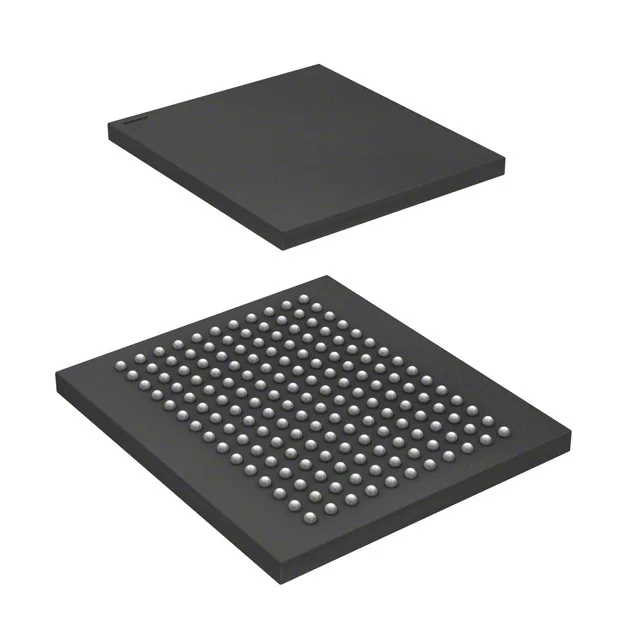
Infineon Technologies CY7C1512AV18-167BZI — Memory (DRAM / SRAM / Flash / EEPROM)

Infineon CY7C1512AV18-167BZI QDR II SRAM, 72Mbit, 167 MHz

MPNCY7C1512AV18-167BZI
Obsolete

Infineon CY7C1512AV18-167BZI, QDR II synchronous SRAM, 72Mbit, 4M x 18, 167 MHz clock, parallel interface, 1.7V–1.9V supply, industrial temp -40 to 85 °C, 165-FBGA (15x17), tray.

$126.9200Ref. price · indicative, final on quote
StockContact for availability
MOQ1 pcs
  • 100% new & originalTraceable channels only — no refurbs, no pulls, no remarked parts.
  • Date & lot codes on quoteStated per line before you commit; label photos on request.
  • MSL-compliant ESD packingMoisture-sealed bags with indicator cards; reels photo-verified.
  • PayPal buyer protectionPay by T/T, PayPal or Payoneer — card payments covered end to end.

Specifications

CY7C1512AV18-167BZI Technical Specifications
ParameterValue
Memory typeVolatile
Mounting typeSurface Mount
Voltage1.7V ~ 1.9V
Frequency167 MHz
Memory interfaceParallel
Operating temperature-40°C~85°C(TA)
PackageTray
TechnologySRAM - Synchronous, QDR II
Memory size72Mbit
Memory formatSRAM
Case165-LBGA
Memory organization4M x 18

Product details

72 Mbit QDR II SRAM — 167 MHz synchronous buffer

The Infineon CY7C1512AV18-167BZI is a 72 Mbit synchronous SRAM built on the QDR II architecture, organized as 4M x 18. The 167 MHz clock rate delivers back-to-back read and write transactions without the dead cycles that plague traditional DDR SRAM — a key advantage for high-throughput networking equipment, telecom line cards, and FPGA-based signal-processing pipelines that need deterministic latency and full bus utilization. The parallel interface and 1.7 V to 1.9 V core supply place it in the high-performance buffer tier, not the low-power standby class.

Obsolete — sourcing through independent distribution

Frequently asked questions

What is CY7C1512AV18-167BZI's listed technology?

The technology is SRAM - Synchronous, QDR II, which eliminates bus-turnaround dead cycles for sustained read-write throughput at 167 MHz.