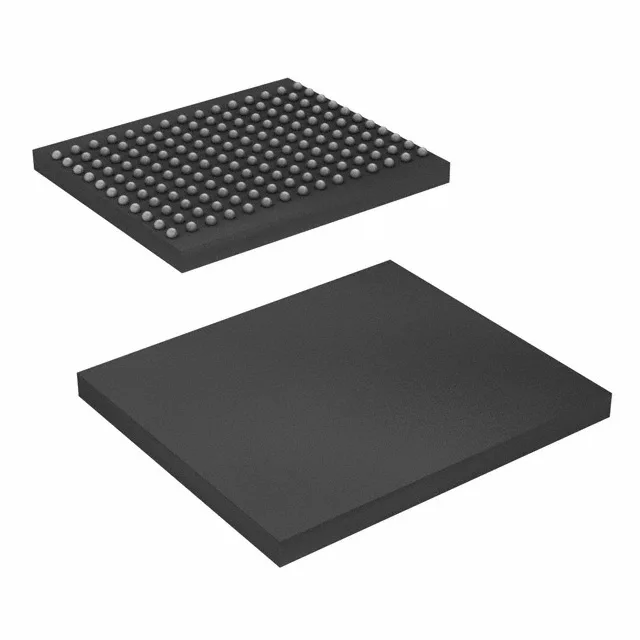
CY7C1425KV18-250BZC Cypress 36Mbit QDR II SRAM, 250 MHz, 165-FBGA
Cypress QDR II synchronous SRAM, 36 Mbit (4M×9), 250 MHz clock, 1.7–1.9 V core supply, -40 to 85 °C, 165-LBGA/FBGA tray package.
- 100% new & originalTraceable channels only — no refurbs, no pulls, no remarked parts.
- Date & lot codes on quoteStated per line before you commit; label photos on request.
- MSL-compliant ESD packingMoisture-sealed bags with indicator cards; reels photo-verified.
- PayPal buyer protectionPay by T/T, PayPal or Payoneer — card payments covered end to end.
Specifications
| Parameter | Value |
|---|---|
| Memory type | Volatile |
| Mounting type | Surface Mount |
| Voltage | 1.7V ~ 1.9V |
| Frequency | 250 MHz |
| Memory interface | Parallel |
| Operating temperature | -40°C ~ 85°C (TA) |
| Package | Tray |
| Technology | SRAM - Synchronous, QDR II |
| Memory size | 36Mbit |
| Memory format | SRAM |
| Case | 165-LBGA |
| Memory organization | 4M x 9 |
Frequently asked questions
Does the 165-LBGA footprint match other Cypress QDR II SRAMs for drop-in replacement?
The 165-LBGA package is shared across the CY7C family, but ball-out may differ between speed grades and memory organizations. Before assuming drop-in compatibility, verify the byte-enable and address pin assignments against the target board — the 4M×9 organization on this part uses nine-bit wide data; a 4M×8 or 4M×18 variant will have a different ball map that cannot be dropped in without layout rework.
What supply voltage does the CY7C1425KV18-250BZC need?
1.7–1.9 V, nominal 1.8 V. The rail must be clean and within specification at 250 MHz — noise on VCC at that clock rate directly corrupts the data strobe margins. Confirm the board plane can deliver the required transient current with decoupling placed directly under the BGA footprint.
Can I use the CY7C1425KV18-250BZC in a sealed industrial enclosure at 75 °C ambient?
The rated operating temperature is -40 to 85 °C, so 75 °C ambient is within range at the rated 250 MHz clock. However, the thermal margin at the upper rail of 1.9 V in a sealed enclosure without forced airflow requires checking against the package thermal resistance in the full datasheet — clock reduction to 200 MHz may be a warranted derating step depending on the actual junction temperature.