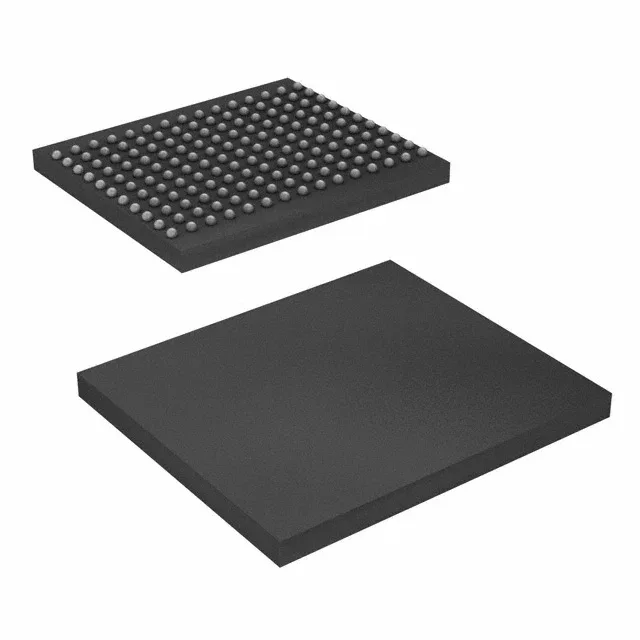
Infineon Technologies CY7C1381D-133BGXC — Memory (DRAM / SRAM / Flash / EEPROM)

CY7C1381D-133BGXC Infineon 18Mbit SRAM, 133 MHz, 6.5 ns

MPNCY7C1381D-133BGXC
Obsolete

Infineon Technologies CY7C1381D-133BGXC synchronous SRAM, 18Mbit, 512K×36 organization, 133 MHz clock, 6.5 ns access, 3.135-3.6 V, 165-LBGA, 0-70 °C.

Sourced new & surplus through independent channelsAuthenticity-screened · ESD-safe packingListing updated Jul 2026

Specifications

CY7C1381D-133BGXC specifications
ParameterValue
Memory typeVolatile
MountingSurface Mount
Voltage3.135V ~ 3.6V
Frequency133 MHz
Memory interfaceParallel
Operating temperature0°C~70°C(TA)
PackageTray
TechnologySRAM - Synchronous, SDR
Access time6.5 ns
Memory size18Mbit
Memory formatSRAM
Case165-LBGA
Memory organization512K x 36

Product details

133 MHz synchronous SRAM — 512K×36 in a 165-ball BGA

The CY7C1381D-133BGXC: That 36-bit data bus makes it a natural fit for 32-bit processor systems with parity or ECC coverage — the extra four bits serve as byte parity lanes without stealing data bandwidth. The commercial temperature grade (0 °C to 70 °C) limits it to indoor, controlled environments — no cold-start or engine-bay duty.

Package and board-fit realities

Housed in a 165-ball LBGA (13×15 mm body per the supplier device package), the 1.0 mm ball pitch demands a four-layer PCB minimum for fan-out — two-layer boards cannot route the inner rows. The surface-mount footprint is standard for this class of synchronous SRAM; the same ball-out is shared across the CY7C1381D family, so a layout validated for one speed grade carries over to this 133 MHz variant. Supplied in tray packaging — not tape-and-reel. For volume production, factor in tray-to-reel conversion or pick-and-place from tray feeders.

Infineon lists the CY7C1381D-133BGXC as obsolete. Quantities are lot-specific and confirmed at RFQ; no stock-holding claim is made here.

Frequently asked questions

What is the memory organization and bus width of CY7C1381D-133BGXC?

512K words by 36 bits — a 36-bit data bus. The four extra bits over a 32-bit word are typically used for byte-level parity or ECC coverage in systems that need single-bit error detection without a separate parity memory chip.