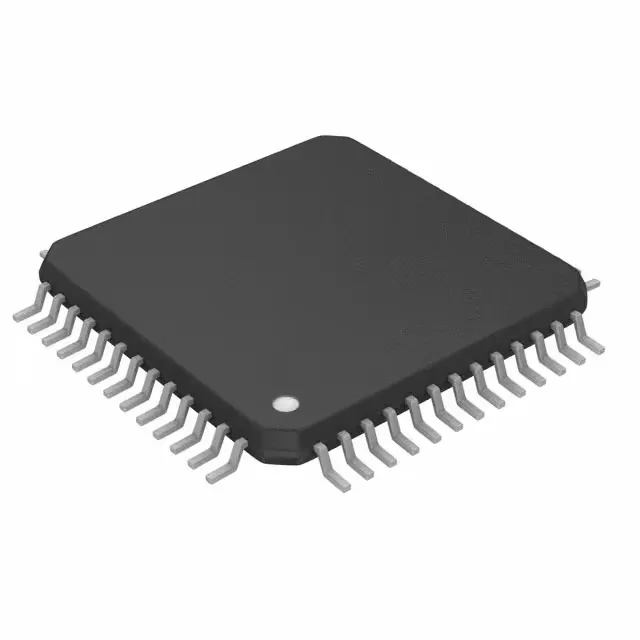
Infineon Technologies CY7C136-55NXC — Memory (DRAM / SRAM / Flash / EEPROM)

CY7C136-55NXC 16Kbit Dual-Port SRAM, 55 ns, 52-PQFP

MPNCY7C136-55NXC
Obsolete

Infineon Technologies CY7C136-55NXC SRAM - Dual Port, Asynchronous, 16Kbit (2K x 8), 55 ns access, 4.5V~5.5V, 52-BQFP (52-PQFP), Tray.

Sourced new & surplus through independent channelsAuthenticity-screened · ESD-safe packingListing updated Jul 2026

Specifications

CY7C136-55NXC specifications
ParameterValue
Memory typeVolatile
MountingSurface Mount
Voltage4.5V ~ 5.5V
Memory interfaceParallel
Operating temperature0°C~70°C(TA)
PackageTray
TechnologySRAM - Dual Port, Asynchronous
Access time55 ns
Memory size16Kbit
Memory formatSRAM
Case52-BQFP
Memory organization2K x 8
Write cycle time - word, page55ns

Product details

What the 55 ns access time means for your bus timing

The CY7C136-55NXC: In a shared-memory system where two processors or a processor and an FPGA arbitrate for the same address space, the 55 ns window sets the minimum cycle time for read/write operations — the bus master must hold address and control valid for at least that long before the data is guaranteed on the bus.

The part is no longer supported for new designs and has no factory last-time-buy window remaining. Each lot is verified for date-code consistency, marking integrity, and package condition before shipment — the 52-PQFP (10x10 mm) footprint is visually inspected for bent leads or mold-compound damage that could indicate rework or mishandling.

The part ships in a 52-BQFP (bumpered quad flat pack) with a 10x10 mm body. The surface-mount footprint uses a fine-pitch gull-wing lead form — the 0.65 mm typical lead pitch requires a solder-paste stencil with aperture reduction to avoid bridging during reflow.

Frequently asked questions

Where can I buy CY7C136-55NXC and how do I get a price?

The CY7C136-55NXC is obsolete and sourced through independent distribution.

What is CY7C136-55NXC's listed technology?

It is a dual-port asynchronous SRAM — volatile memory with a parallel interface. The dual-port architecture allows two independent devices to access the same memory array simultaneously through separate address and data buses.