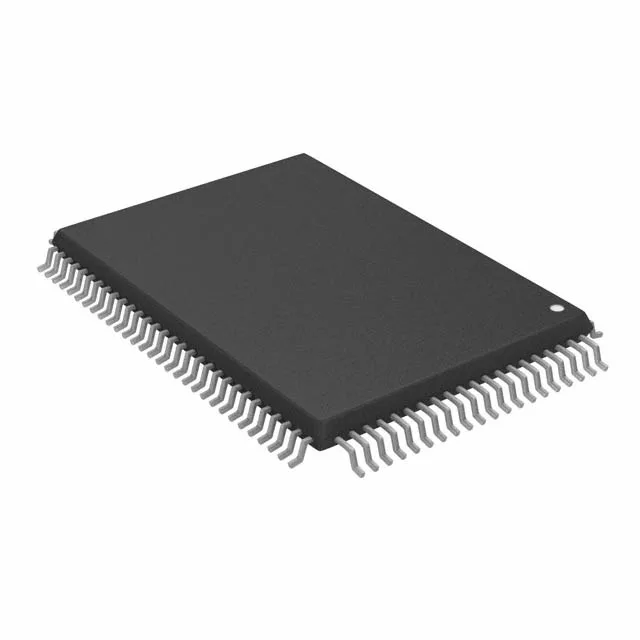
Infineon Technologies CY7C1357C-133AXIT — Memory (DRAM / SRAM / Flash / EEPROM)

Infineon CY7C1357C-133AXIT SRAM, 9Mbit, 133MHz, 100-TQFP

MPNCY7C1357C-133AXIT
Obsolete

Infineon Technologies NoBL™ SRAM - Synchronous, SDR, CY7C1357C-133AXIT, 9Mbit (512K x 18), 133 MHz, 6.5 ns access, 3.135V-3.6V, -40°C to 85°C, 100-TQFP, Tape & Reel.

Sourced new & surplus through independent channelsAuthenticity-screened · ESD-safe packingListing updated Jul 2026

Specifications

CY7C1357C-133AXIT specifications
ParameterValue
SeriesNoBL™
Memory typeVolatile
MountingSurface Mount
Voltage3.135V ~ 3.6V
Frequency133 MHz
Memory interfaceParallel
Operating temperature-40°C ~ 85°C (TA)
PackageTape & Reel (TR)
TechnologySRAM - Synchronous, SDR
Access time6.5 ns
Memory size9Mbit
Memory formatSRAM
Case100-LQFP
Memory organization512K x 18

Product details

9 Mbit synchronous SRAM, 133 MHz — the NoBL™ pipeline

The CY7C1357C-133AXIT: It belongs to the NoBL™ (No Bus Latency) series, which eliminates dead cycles between read and write turns on the same port — the pipeline keeps the data bus moving at full clock rate without idle wait states.

Infineon lists this part as Obsolete. That means the manufacturer has stopped production and no further last-time-buy window is open. The only supply channel is independent distribution — surplus, new-old-stock, or broker inventory. A pin-compatible drop-in from the same NoBL™ family may exist, but without a documented cross-reference, each BOM position must be qualified against the original footprint and timing.

The 0.5 mm pitch demands careful PCB layout — the supply decoupling should sit within 5 mm of each VDD/VSS pair to keep the core noise below the 3.6 V ceiling.

Frequently asked questions

What is the closest pin-compatible alternative to CY7C1357C-133AXIT?

No official pin-compatible successor is documented by Infineon. Any replacement must be qualified against the 100-TQFP footprint, 133 MHz clock, 6.5 ns access, and 3.135 V–3.6 V supply. A parametric search for 9 Mbit synchronous SRAM in the same package may yield candidates, but each requires timing and signal-integrity validation.