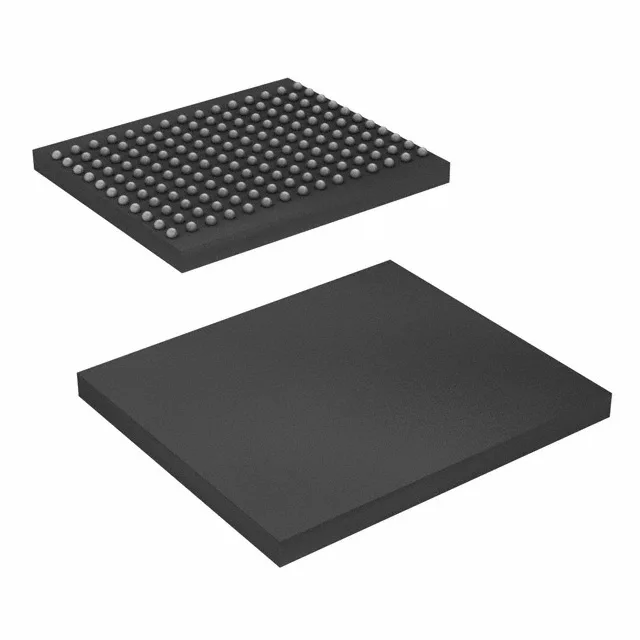
This is a double-data-rate part — data transfers on both clock edges — so the effective data rate hits 600 MT/s per I/O. For a 36-bit word, that's 2.7 GB/s of read-write bandwidth, which puts it squarely in networking packet buffers, telecom line cards, and high-end test equipment where the bus is the bottleneck, not the core logic.
512K x 36 organization — why the width matters
The 36-bit word width (with four spare bits beyond a 32-bit word) is common in networking designs that carry parity or ECC metadata alongside the data bus. A 512K depth means 512K unique addresses, so the buffer can hold 512K 36-bit entries — enough for several maximum-size Ethernet frames or a full ATM cell queue. The DDR II+ interface eliminates the dead cycles between read and write turns that first-generation DDR SRAMs needed, keeping the bus fully utilized in mixed-read-write traffic patterns.
Cypress (now Infineon) lists the CY7C1320KV18-300BZXC as Obsolete. That means new-production orders through franchised distribution are not available. This is a last-time-buy / NRND situation — the available pool is fixed and shrinking.
Package and supply — layout constraints
Surface-mount only, no socketed option.