10 ns asynchronous SRAM — why the access time matters for bus margin
For a DSP or cache-line fill running at 66–100 MHz, the 10 ns window keeps the read data stable within one clock edge, which matters for timing closure on a board that already has tight signal-integrity margins.
Industrial temperature range — where this SRAM fits
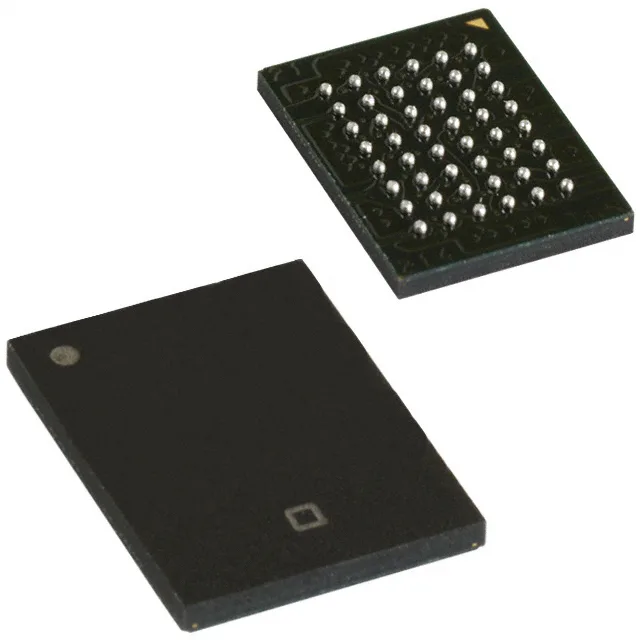
The 48-TFBGA (7x7 mm) package keeps the footprint small, but it is a fine-pitch BGA — rework requires a hot-air station with a nozzle sized for the 0.5 mm ball pitch, and the board needs a via-in-pad or microvia stackup to route all 48 balls.
Infineon lists this part as obsolete. That means no new factory orders are accepted — the only channel is surplus and independent distribution. If this SRAM is on a current BOM, the procurement decision is straightforward: buy the remaining lifetime volume now, or qualify a pin-compatible alternative before the surplus stock dries up. The 10 ns access time and 64K x 16 organization are common enough that a drop-in replacement from another vendor (e.g., ISSI, Alliance Memory) may exist, but the 48-TFBGA footprint narrows the field — verify the ball map against the replacement before committing a board spin.