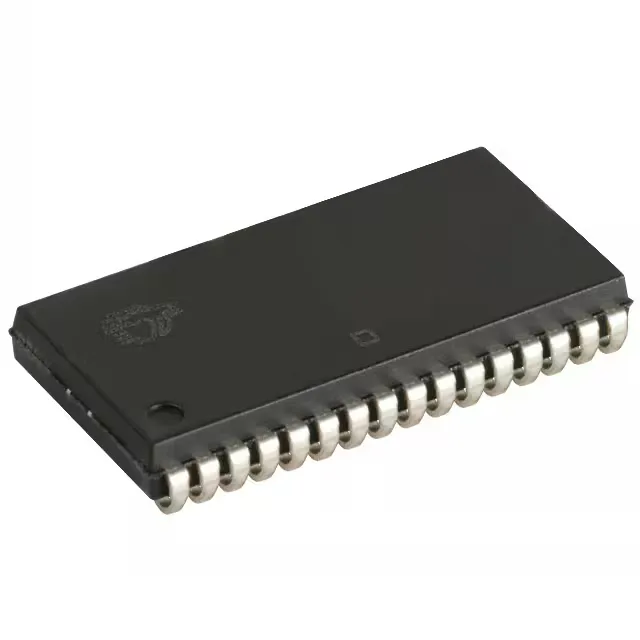
15 ns asynchronous SRAM for legacy 5 V buses
The 15 ns access time means it can keep up with fast bus cycles in 5 V DSPs or FPGAs without wait states, as long as the controller's output-enable-to-data-valid timing is within that window.
In a 5 V system running at, say, 33 MHz (30 ns cycle time), a 15 ns access leaves 15 ns for address setup, hold, and any propagation delay through buffers — tight but workable if the PCB trace lengths are kept under 6 inches and the capacitive load on the data bus stays within the SRAM's rated limits. If your controller's address-to-data setup requirement is longer than 15 ns, you will need a slower part — but for most 5 V CPLDs and older 32-bit MCUs, this part keeps the bus moving without wait states.
That rules out outdoor enclosures, unheated warehouses, or engine-bay environments. For a controlled indoor environment like a server room, lab instrument, or office networking gear, the commercial range is fine.