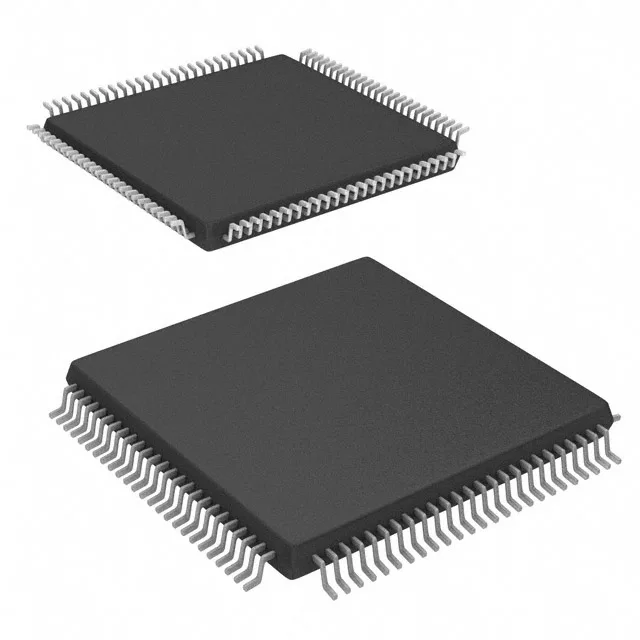
Infineon Technologies CY7C028V-15AXCT — Memory (DRAM / SRAM / Flash / EEPROM)

Infineon CY7C028V-15AXCT 1Mbit Dual-Port SRAM, 15 ns

MPNCY7C028V-15AXCT
Obsolete

Infineon Technologies CY7C028V-15AXCT dual-port asynchronous SRAM, 1Mbit (64K×16), 15 ns access time, 3.3 V supply, 100-TQFP, Tape & Reel.

Sourced new & surplus through independent channelsAuthenticity-screened · ESD-safe packingListing updated Jul 2026

Specifications

CY7C028V-15AXCT specifications
ParameterValue
Memory typeVolatile
MountingSurface Mount
Voltage3V ~ 3.6V
Memory interfaceParallel
Operating temperature0°C ~ 70°C (TA)
PackageTape & Reel (TR)
TechnologySRAM - Dual Port, Asynchronous
Access time15 ns
Memory size1Mbit
Memory formatSRAM
Case100-LQFP
Memory organization64K x 16
Write cycle time - word, page15ns

Product details

Dual-port SRAM for shared-memory arbitration

The CY7C028V-15AXCT: Two independent ports allow simultaneous read/write access from separate bus masters — a common architecture for shared memory in multi-processor systems, FIFO buffers, or bridge controllers where one side writes while the other reads without wait-state arbitration logic.

A 15 ns access time means the SRAM presents valid data on the bus within 15 ns of the address being latched — fast enough to keep pace with a 66 MHz bus clock without inserting wait states. The write cycle time matches at 15 ns, so back-to-back writes at the same rate are supported. The 100-TQFP package (14×14 mm body) has a 0.5 mm pitch — a four-layer board with via-in-pad or microvias is the practical fan-out for the inner rows.

Infineon lists the CY7C028V-15AXCT as Obsolete. No second-source cross-reference is maintained.

Frequently asked questions

Where can I buy CY7C028V-15AXCT?

The CY7C028V-15AXCT is sourced to order through independent distribution.

What is the closest pin-compatible alternative to CY7C028V-15AXCT?

The base product number CY7C028 family includes other speed grades and temperature ranges, but none are listed as a direct replacement. A board-level redesign may be required for a functional alternative.