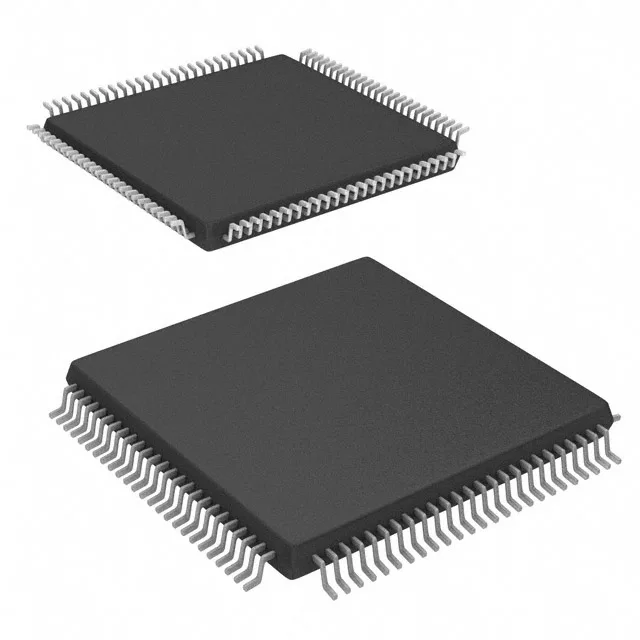
Infineon Technologies CY7C024AV-15AXI — Memory (DRAM / SRAM / Flash / EEPROM)

CY7C024AV-15AXI Cypress 64Kbit Dual-Port Async SRAM, 15 ns

MPNCY7C024AV-15AXI
Obsolete

Cypress CY7C024AV-15AXI, 64Kbit (4K x 16) dual-port asynchronous SRAM, 15 ns access time, parallel interface, 3V to 3.6V supply, -40°C to 85°C, 100-TQFP (14x14), Tray.

Sourced new & surplus through independent channelsAuthenticity-screened · ESD-safe packingListing updated Jul 2026

Specifications

CY7C024AV-15AXI specifications
ParameterValue
Memory typeVolatile
MountingSurface Mount
Voltage3V ~ 3.6V
Memory interfaceParallel
Operating temperature-40°C ~ 85°C (TA)
PackageTray
TechnologySRAM - Dual Port, Asynchronous
Access time15 ns
Memory size64Kbit
Memory formatSRAM
Case100-LQFP
Memory organization4K x 16
Write cycle time - word, page15ns

Product details

The Cypress CY7C024AV-15AXI is a 64Kbit dual-port asynchronous SRAM organized as 4K words by 16 bits. The dual-port architecture gives two independent ports with separate address, data, and control lines, allowing simultaneous reads or writes from two bus masters — typical in shared-memory designs between a DSP and a host processor, or between two microcontrollers in a dual-core system.

In practice, board trace delay, capacitive loading, and the host's own setup/hold requirements will eat into that budget. If your system runs a 50 MHz or slower bus, this part has comfortable margin. For faster buses (above 66 MHz), you would need a synchronous dual-port SRAM or a lower-access-time asynchronous part — but those are scarce in the 64Kbit density today.

Supply and temperature — fit check

This part is not 5V-tolerant on the I/O — if the host bus runs at 5V, a level translator is required.

Frequently asked questions

Where can I buy CY7C024AV-15AXI and how do I get a price?

This obsolete part is sourced through our independent distribution channel. Submit an RFQ for the CY7C024AV-15AXI; we will confirm current availability and pricing at quote time. No stock or price figures are published because the surplus market moves quickly.