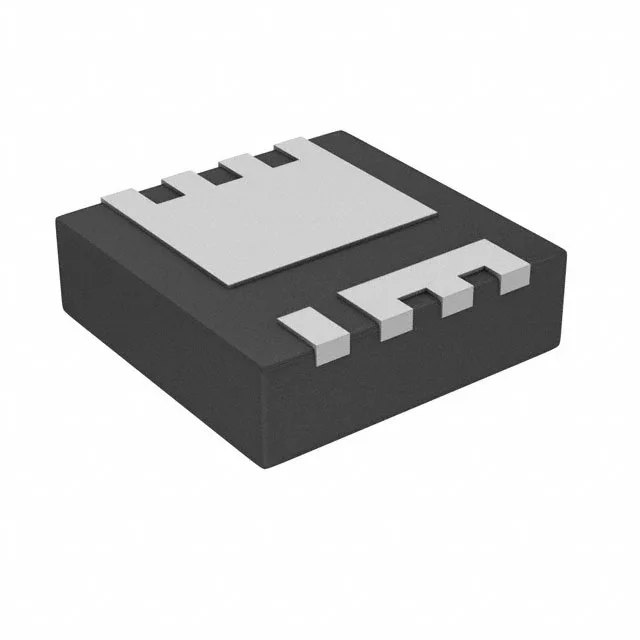
Infineon Technologies BSZ0904NSIATMA1

Infineon BSZ0904NSIATMA1 OptiMOS N-Ch MOSFET, 30 V, 4 mOhm

MPNBSZ0904NSIATMA1
End of Life

Infineon OptiMOS™ N-Channel MOSFET, 30 V Vdss, 4 mOhm Rds(on) max at 10 V, 40 A continuous drain at Tc, PG-TSDSON-8-FL package, -55 to 150 °C junction temperature.

$0.96Ref. price · indicative, final on quote
Packaging8-PowerTDFN
RoHSROHS3 Compliant
SeriesOptiMOS™
Independent supplier — new & surplus stockAuthenticity-screened · ESD-safe packingListing updated Jul 2026

Specifications

BSZ0904NSIATMA1 specifications
ParameterValue
SeriesOptiMOS™
FET typeN-Channel
MountingSurface Mount
Drain to source voltage30 V
Drive voltage (Max rds on, min rds on)4.5V, 10V
Current - continuous drain (Id) @ 25°C18A (Ta), 40A (Tc)
Power dissipation2.1W (Ta), 37W (Tc)
Operating temperature-55°C ~ 150°C (TJ)
PackageTape & Reel (TR); Cut Tape (CT)
Vgs±20V
TechnologyMOSFET (Metal Oxide)
FET featureSchottky Diode (Body)
Case8-PowerTDFN
Vgs(th) (Max) @ id2V @ 250µA
Rds on (Max) @ id, vgs4mOhm @ 30A, 10V
Gate charge (Qg) (Max) @ vgs11 nC @ 4.5 V
Input capacitance (Ciss) (Max) @ vds1463 pF @ 15 V

Product details

The Infineon BSZ0904NSIATMA1 is a 30 V N-channel OptiMOS™ power MOSFET in a PG-TSDSON-8-FL surface-mount package.

Body diode and the Schottky feature

The datasheet lists a Schottky diode integrated in the body diode structure. This reduces the reverse-recovery charge and softens the turn-off of the body diode, which matters in synchronous-rectifier stages and half-bridge converters where the body diode conducts during dead time.

Frequently asked questions

Is BSZ0904NSIATMA1 going obsolete?

No — the part is listed as Active with no end-of-life or NRND status. Infineon continues production under the OptiMOS™ series.

Can BSZ0904NSIATMA1 be used for battery protection?

Yes — the 30 V Vdss, 40 A continuous drain, and 4 mOhm Rds(on) make it suitable for lithium-ion battery protection circuits in power tools, e-bikes, and portable equipment where low on-resistance minimises heating during high discharge currents.